
10 Symptoms of Magnesium Deficiency
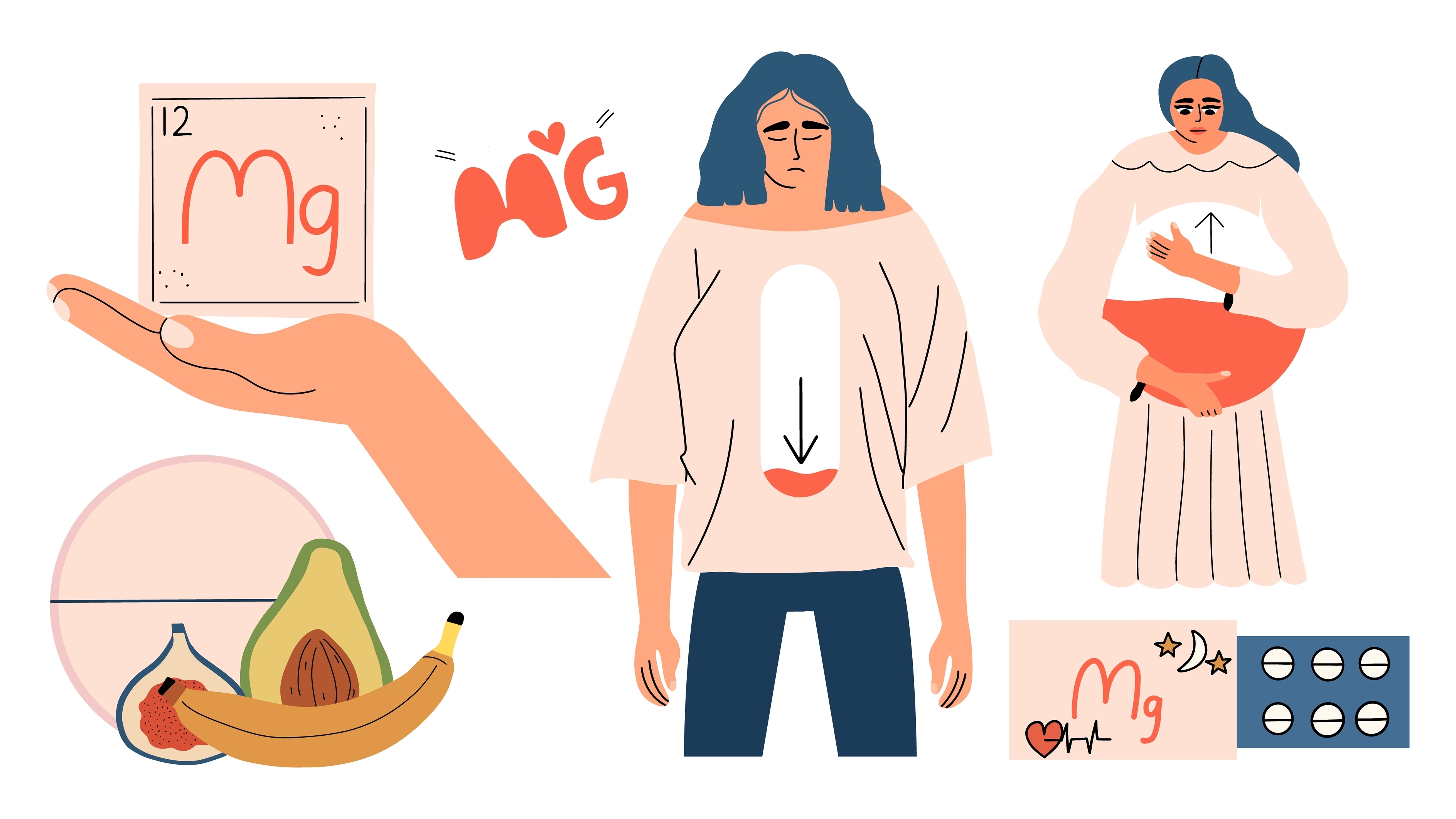
Magnesium is a mineral the body depends on for a surprising range of functions. It helps transport calcium and potassium across cell membranes, supports energy production and regulates muscle and nerve function. Research suggests it may also help manage conditions like diabetes and high blood pressure. It follows, then, that a deficiency can affect the body in more ways than most people realize.
Gastrointestinal Issues
Low magnesium levels can disrupt the digestive system, leading to symptoms such as diarrhea, nausea, vomiting, and loss of appetite. These are fairly general symptoms with many possible causes, so magnesium deficiency is just one possibility to consider if they persist without an obvious explanation.
Changes in Blood Pressure
Researchers have identified a possible link between magnesium deficiency and high blood pressure, though more study is needed to fully understand it. If the connection holds up, magnesium therapy could become a useful tool for managing hypertension in people who are also deficient in the mineral.

Insomnia
Magnesium helps regulate GABA, a neurotransmitter that plays an important role in the sleep-wake cycle. Stress and anxiety are more commonly blamed for sleeplessness, but if insomnia has no clear cause, low magnesium could be a factor. Some studies have found that people sleep better after taking magnesium supplements.

Anxiety and Depression
The relationship between physical health and mental well-being is better understood today than it once was, and magnesium appears to play a role. The mineral influences the nervous system, and research suggests that healthy magnesium levels may help reduce stress and ease symptoms of depression and anxiety. A deficiency could make those symptoms worse.

Heart Health
Low magnesium has been linked to heart health issues. Some people with irregular heart rhythms or coronary artery problems have lower magnesium levels than those with healthy hearts. In certain cases, doctors may recommend supplements or dietary changes to address both the deficiency and the heart condition together.

Lack of Energy
Magnesium plays a role in how efficiently the body uses energy. Research has found that people low in magnesium use more oxygen during physical activity, which can lead to fatigue. For athletes or anyone who is regularly active, even a moderate deficiency can have a noticeable impact on performance and stamina.

Muscle Spasms
Magnesium helps stabilize nerve fibers, and without enough of it, nerves can misfire — triggering sudden muscle spasms or jerks. This tends to develop over a longer term rather than appearing right away. Eye twitches and persistent blinking are also associated with low magnesium levels.

Skin Issues
Magnesium helps keep skin healthy by balancing the hormone fluctuations that can lead to breakouts. It also supports fatty acid production, which maintains skin texture and moisture. A deficiency can tip that balance, potentially worsening conditions like eczema or contributing to dull, easily irritated skin

Loss of Appetite
Low magnesium is thought to have an adverse effect on appetite, though this is one of the harder symptoms to pin down given how many factors can influence hunger. Anyone experiencing a persistent drop in appetite without a clear reason may want to ask their doctor about testing magnesium levels or adjusting their diet.

Irritability or Confusion
A prolonged magnesium deficiency can begin to affect mental clarity, contributing to irritability, confusion, and poor memory. These symptoms overlap with other mental health conditions, which makes them tricky to attribute to any single cause. That said, a growing body of research does point to the positive effects of healthy magnesium levels on mood and cognitive function.


Scroll Down
for the Next Article
Popular Now on Facty Health
Disclaimer
This site offers information designed for educational purposes only. You should not rely on any information on this site as a substitute for professional medical advice, diagnosis, treatment, or as a substitute for, professional counseling care, advice, diagnosis, or treatment. If you have any concerns or questions about your health, you should always consult with a physician or other healthcare professional.