
Frequently Asked Questions about a Detached Retina
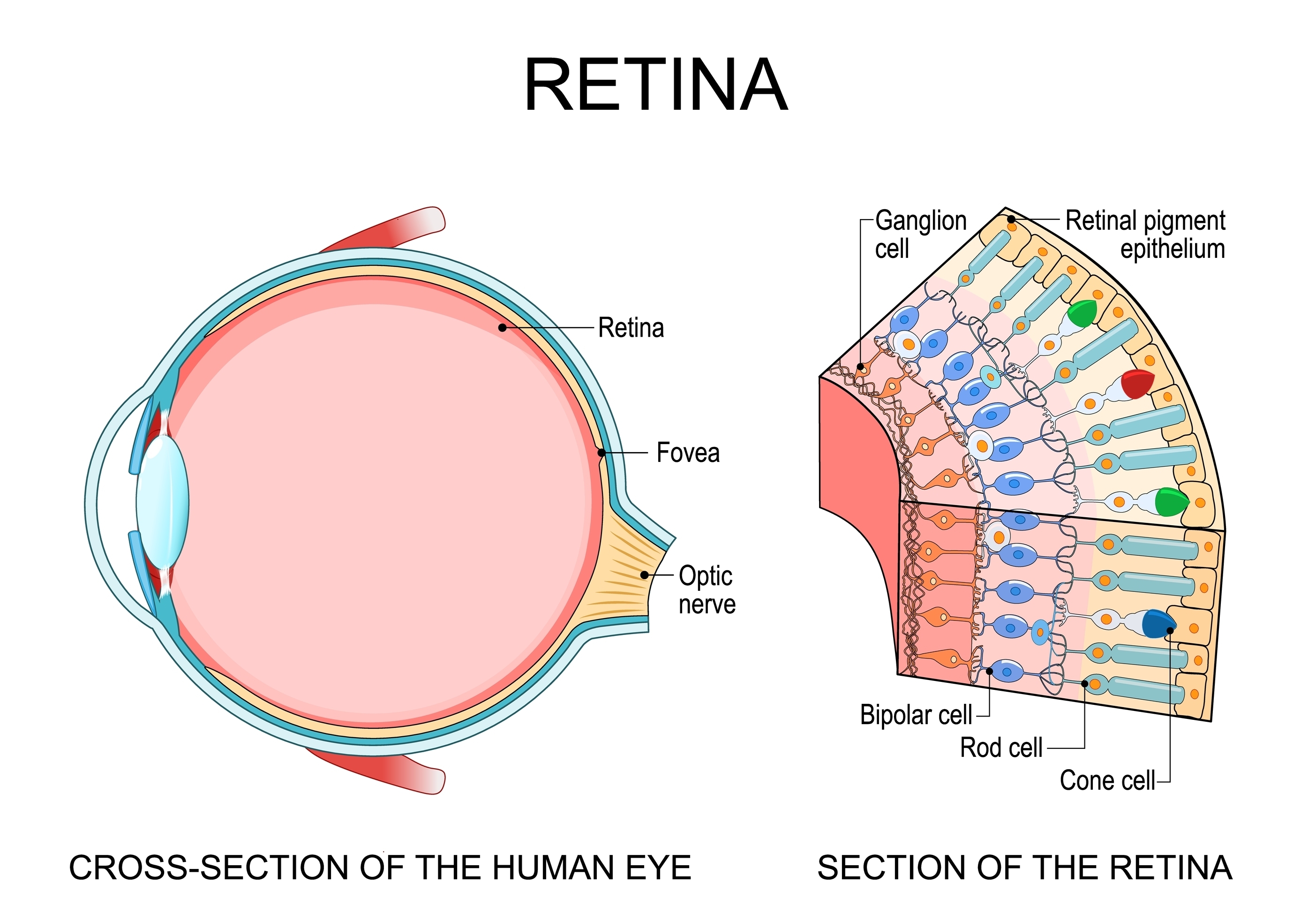
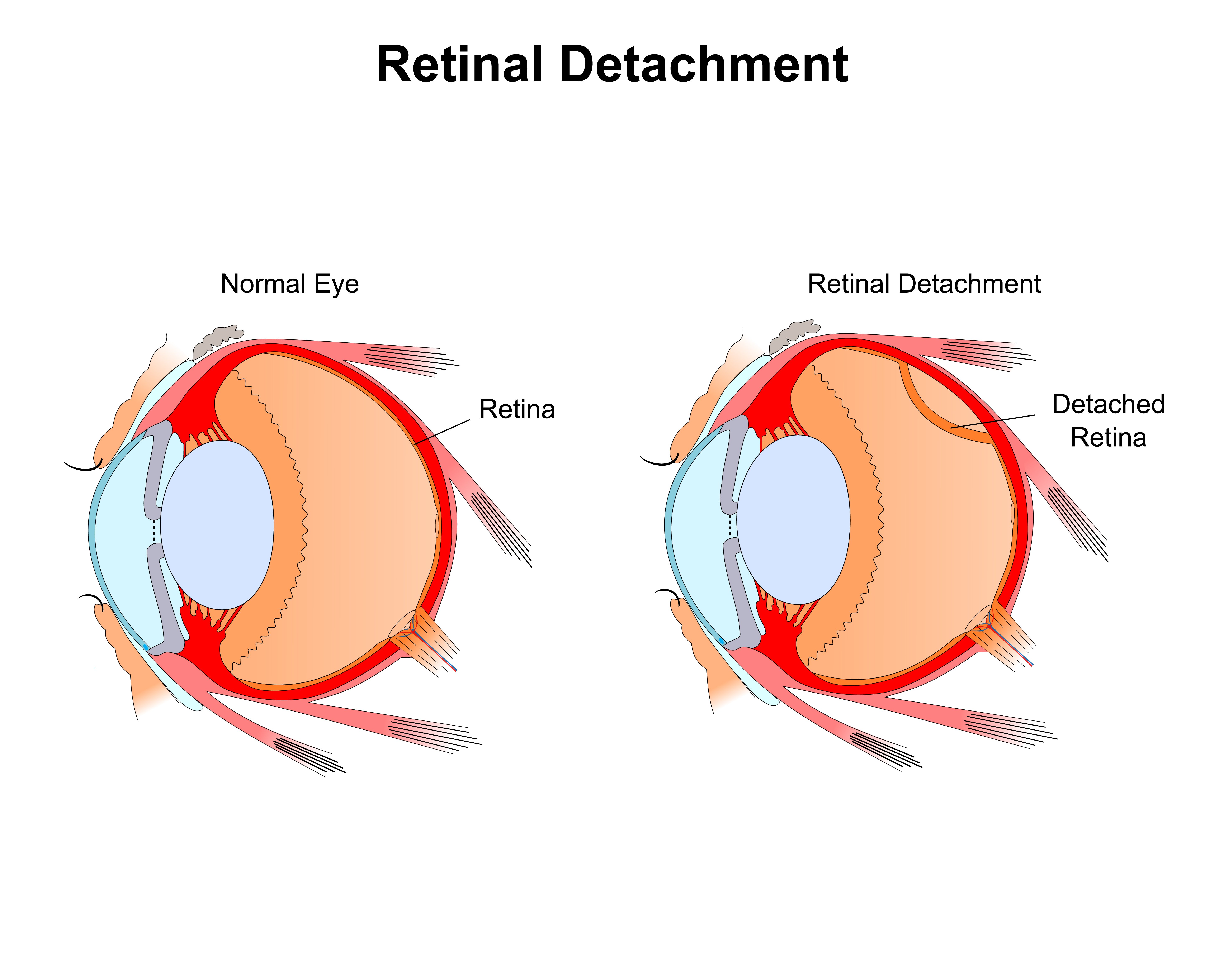
A detached retina occurs when this thin layer of tissue at the back of the eye pulls away. People with a detached retina experience spots or "floaters" across their vision that can eventually affect sight. They may also see flashes of light or darkness in their peripheral vision. It is important to treat a detached retina quickly.
What are the different types of a detached retina?
There are three types of detached retina, each with a different cause.
- Rhegmatogenous is the most common type. It happens when a break or tear in the retina allows fluid to seep underneath, separating it from the tissue behind it.
- Tractional detachment occurs when scar tissue on the retina's surface contracts, pulling the retina away. This type is less common and often associated with diabetic eye disease.
- Exudative detachment occurs when fluid builds up beneath the retina without any tears or breaks, usually due to inflammation, injury, or other eye conditions.

What may cause a detached retina?
A detached retina most commonly results from direct trauma to the eye, such as a sports injury, an accident, or impact from objects like BB guns or bottle rockets. Symptoms may not appear until days, weeks, or even months after the incident.
It can also develop as a complication of certain medical conditions. These include diabetic retinopathy, inflammatory eye disorders, and retinopathy of prematurity.

What are the risk factors for a detached retina?
A detached retina can happen at any age, but it's most common in people over 40 and occurs more frequently in men than women. The following factors increase the risk:
High myopia (severe nearsightedness) is one of the strongest risk factors. Others include a previous detached retina in either eye, a family history of the condition, prior cataract surgery or eye injury, and certain eye conditions such as lattice degeneration, retinoschisis, or uveitis.
What are the common symptoms of a detached retina?
The most common symptoms of a detached retina are:
- A sudden increase in floaters, spots or cobweb-like shapes drifting across your vision. Flashes of light in one eye. A shadow or dark curtain spreading across your field of vision.
- A detached retina is a medical emergency. If you experience any of these symptoms, seek medical attention immediately.

How does a doctor diagnose and treat a detached retina?
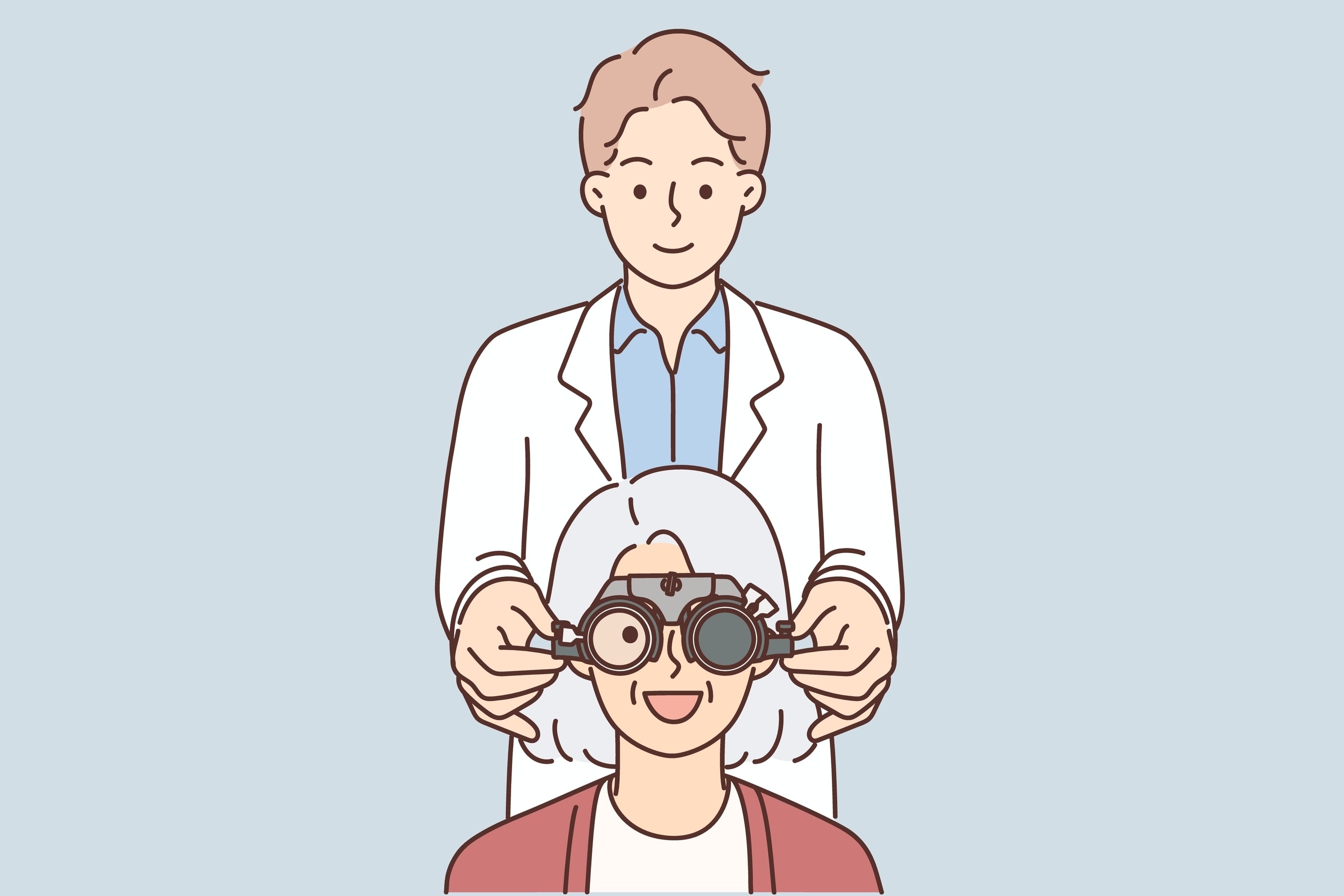
Tears, breaks, and detachments in the retina are not visible from the outside. Diagnosis requires a comprehensive eye exam, during which a specialist uses a light and magnification instrument to examine the interior of the eye. Additional lenses and tools may also be used.
Early diagnosis gives the best chance of preserving vision. Small tears can often be treated with laser therapy or a gas injection, both relatively straightforward procedures. More significant detachments require surgery.

What are the surgical options to treat a detached retina?
There are two main surgical options for treating a detached retina.
- A scleral buckle involves placing a small band around the outside of the eyeball. The band applies gentle pressure, bringing the eye wall closer to the detached retina and allowing it to reattach over time.
- A vitrectomy involves removing the gel-like fluid inside the eye and replacing it with a gas bubble. The bubble pushes the retina back into position so it can reattach naturally.
Is there any way to treat a detached retina using medications only?
No medication can treat a detached retina. Surgery or another procedure is almost always required. In rare cases where the detachment is caused by an underlying condition, treating that condition may help, but this applies to very few cases.

Is a detached retina a common condition?
Retinal detachment is uncommon but serious. It can happen at any age, though it occurs more often in people over 40. Flashes of light are frequently one of the earliest warning signs that something may be wrong with the retina. If you notice them, don't wait to get checked out.

How can you avoid a detached retina?
There is no guaranteed way to prevent a detached retina. Knowing the symptoms and acting quickly is the most important thing you can do. If you notice flashes of light, new floaters, or a shadow across your vision, seek medical attention right away. If you have any of the risk factors mentioned above, scheduling regular eye exams is worth it.

Can a detached retina cause blindness?
When the retina detaches, it loses its blood supply. Without treatment, the cells that process light begin to die, and vision loss can become permanent. The longer the treatment is delayed, the greater the risk. If you have had a detached retina in one eye, your other eye has a higher chance of developing the condition independently. Regular eye exams are important for anyone with a history of retinal detachment.

Scroll Down
for the Next Article
Popular Now on Facty Health
Disclaimer
This site offers information designed for educational purposes only. You should not rely on any information on this site as a substitute for professional medical advice, diagnosis, treatment, or as a substitute for, professional counseling care, advice, diagnosis, or treatment. If you have any concerns or questions about your health, you should always consult with a physician or other healthcare professional.