
How Long Does Alcohol Stay in Your Body?
Most adults enjoy a drink now and then, but few of us have a clear sense of how the body actually handles alcohol.
For an occasional social drinker, that may not matter much, but it matters a lot for anyone planning to drink heavily, or to do something afterward, like driving, where impairment is both dangerous and illegal.
How long alcohol stays in your system depends on a long list of factors, though a few general rules hold true for most people.
Alcohol Absorption
When you take a drink, alcohol starts entering the bloodstream almost immediately. About 20 percent is absorbed through the stomach, and most of the rest through the small intestine.
From there, the bloodstream carries it to the brain, which is what produces the familiar signs of drunkenness.
How the Body Processes Alcohol
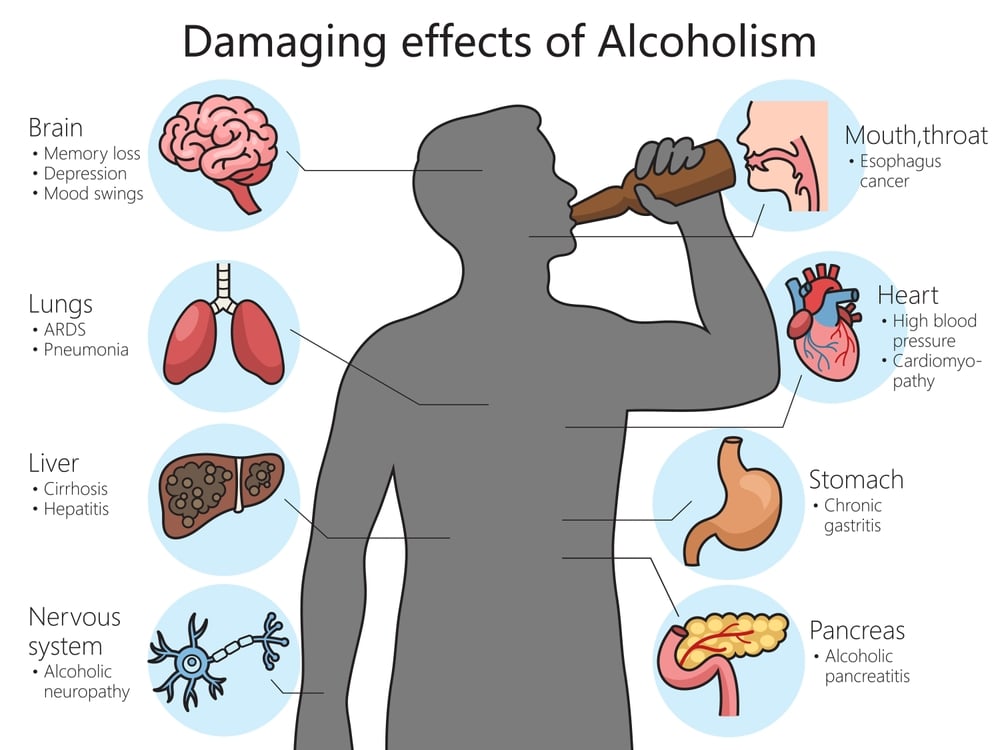
The bloodstream also carries alcohol to the liver, the organ that does most of the work of breaking it down, using specialized enzymes.
In a healthy liver, this happens at a fairly steady pace, lowering blood alcohol by roughly 0.015 percent an hour, which for most adults works out to about one standard drink per hour. Worth remembering, though: plenty of real-world drinks contain more than one standard drink's worth of alcohol.

Speed of Alcohol Effects
Because alcohol enters the bloodstream so easily, most people feel the effects fairly quickly, usually within 15 to 45 minutes of a drink. Several things shift that timing, including how much someone has eaten beforehand and their personal tolerance.

Alcohol Detection
Three main tests can show whether a person has been drinking: breath, blood, and urine. A blood test typically detects alcohol for up to about 12 hours, while breath and standard urine tests pick it up for roughly 12 to 24 hours.
More sensitive urine tests that look for alcohol's metabolites, rather than alcohol itself, can detect use for up to 72 to 80 hours, and these have become more common, not less. Police rely on breath tests most often because they're fast and simple. A hair test can reveal alcohol use for up to about 90 days, though that's rarely needed.

When the Body Can't Keep Up
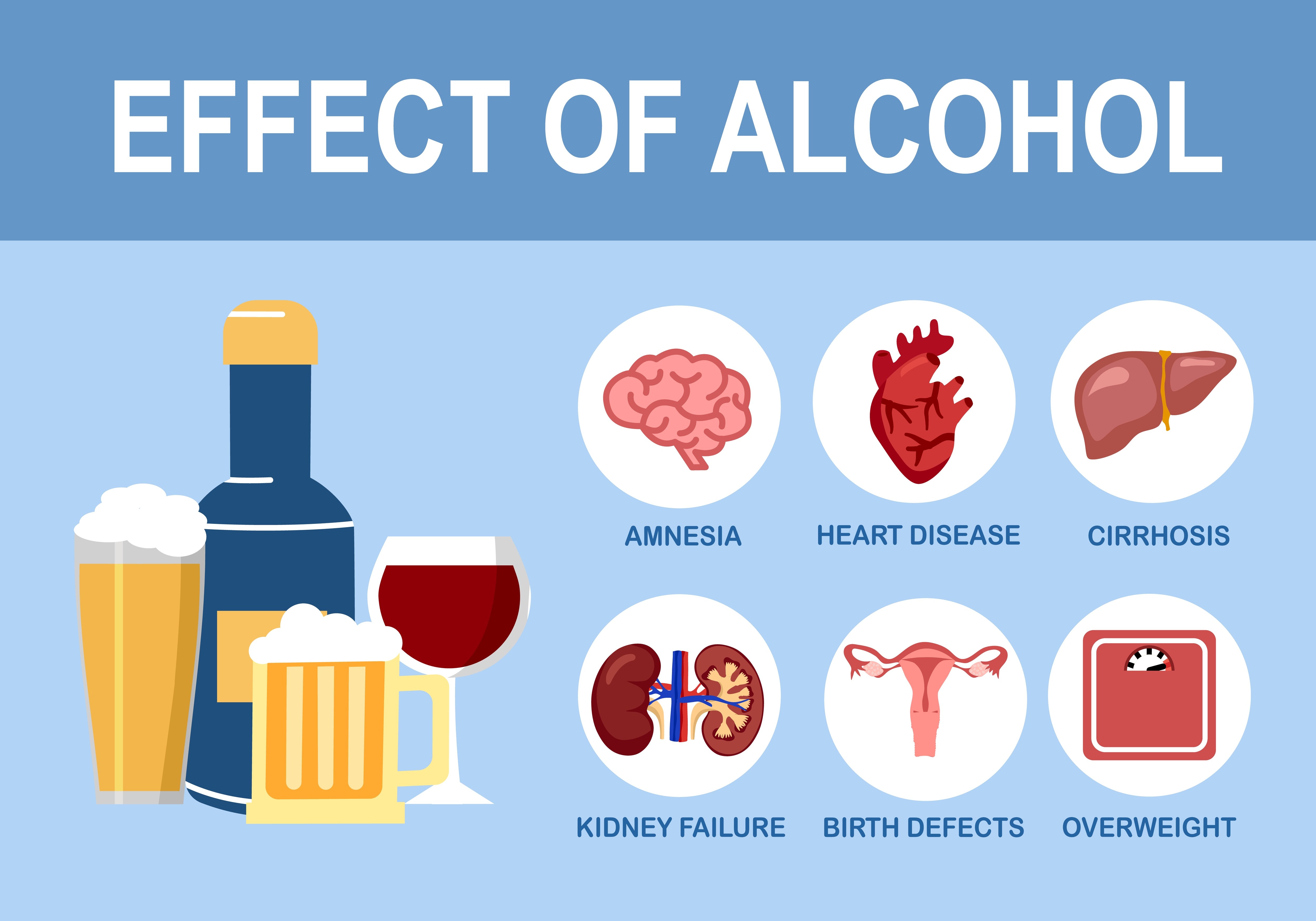
When someone drinks more than their body can process, the result is alcohol poisoning.
Even milder cases bring vomiting, trouble breathing, and loss of consciousness, and they can turn fatal if the person chokes on their own vomit.
As alcohol poisoning worsens, it can lead to brain damage, seizures, dangerously low blood pressure, and cardiac arrest.
Helping the Body Process Alcohol
Plenty of longtime drinkers swear by home remedies, like coffee or a cold shower, to sober up faster, but most are myths.
Eating before and while you drink does help, since food slows how much alcohol passes into the bloodstream through the stomach and small intestine.
Staying hydrated helps too, because dehydration makes the liver and other organs work less efficiently. Even so, none of it speeds up the basic math: the body still processes only about one standard drink per hour.

What Is BAC?
BAC, or blood alcohol concentration, is the amount of alcohol in a person's blood at a given moment.
The higher it climbs, the more intoxicated they are. Many people start showing signs of intoxication around a BAC of 0.05 percent, though that varies with individual tolerance.
After You Stop Drinking
A common misconception is that BAC starts dropping the moment you put down your last drink.
That can hold true if someone has had only one standard drink an hour, but many people, especially at social events, drink faster than that.
When several drinks go down in a short span, BAC keeps rising even after the drinking stops, because the body is still absorbing alcohol faster than the liver can clear it.
Factors That Affect Alcohol Metabolism
Not everyone processes alcohol the same way. Men tend to break it down slightly faster than women, and younger people more quickly than older adults.
Existing liver damage can sharply reduce the body's ability to process alcohol, as can malnutrition and dehydration. Medications, genetics, and overall fitness play a role too.

Is There a Safe Amount of Alcohol?
For years, the standard advice centered on a safe amount, but that framing has shifted as the science has caught up.
The current reality is that no amount of alcohol has been established as risk-free. In the United States, the Dietary Guidelines still define moderate drinking as up to one drink a day for women and two for men, and they advise people who don't drink not to start. But major health authorities have moved further.
In 2025, the U.S. Surgeon General issued an advisory linking alcohol to at least seven types of cancer, including breast, colorectal, and liver, and called for updated warning labels.
The World Health Organization has stated plainly that no level of alcohol consumption is safe, classifying it as a Group 1 carcinogen alongside tobacco and asbestos.
Canada's national guidance now frames drinking as a continuum of risk that rises from the very first drink and climbs with each one after.
None of this means a single drink is a crisis.
It means the old idea of a clearly safe threshold no longer fits the evidence, and that for your health, less is better than more.


Scroll Down
for the Next Article
Popular Now on Facty Health
Disclaimer
This site offers information designed for educational purposes only. You should not rely on any information on this site as a substitute for professional medical advice, diagnosis, treatment, or as a substitute for, professional counseling care, advice, diagnosis, or treatment. If you have any concerns or questions about your health, you should always consult with a physician or other healthcare professional.