
Alcohol poisoning kills about 2,200 people in the United States every year, and many of them are not heavy drinkers. It happens when there's a toxic amount of alcohol in the blood, usually after someone drinks a large amount in a short time. The risk depends partly on physical factors like body size, overall health, and tolerance, and partly on circumstances: how fast someone drinks, how strong the drinks are, whether they've eaten, and whether alcohol is mixed with other drugs.
Symptoms of Alcohol Poisoning
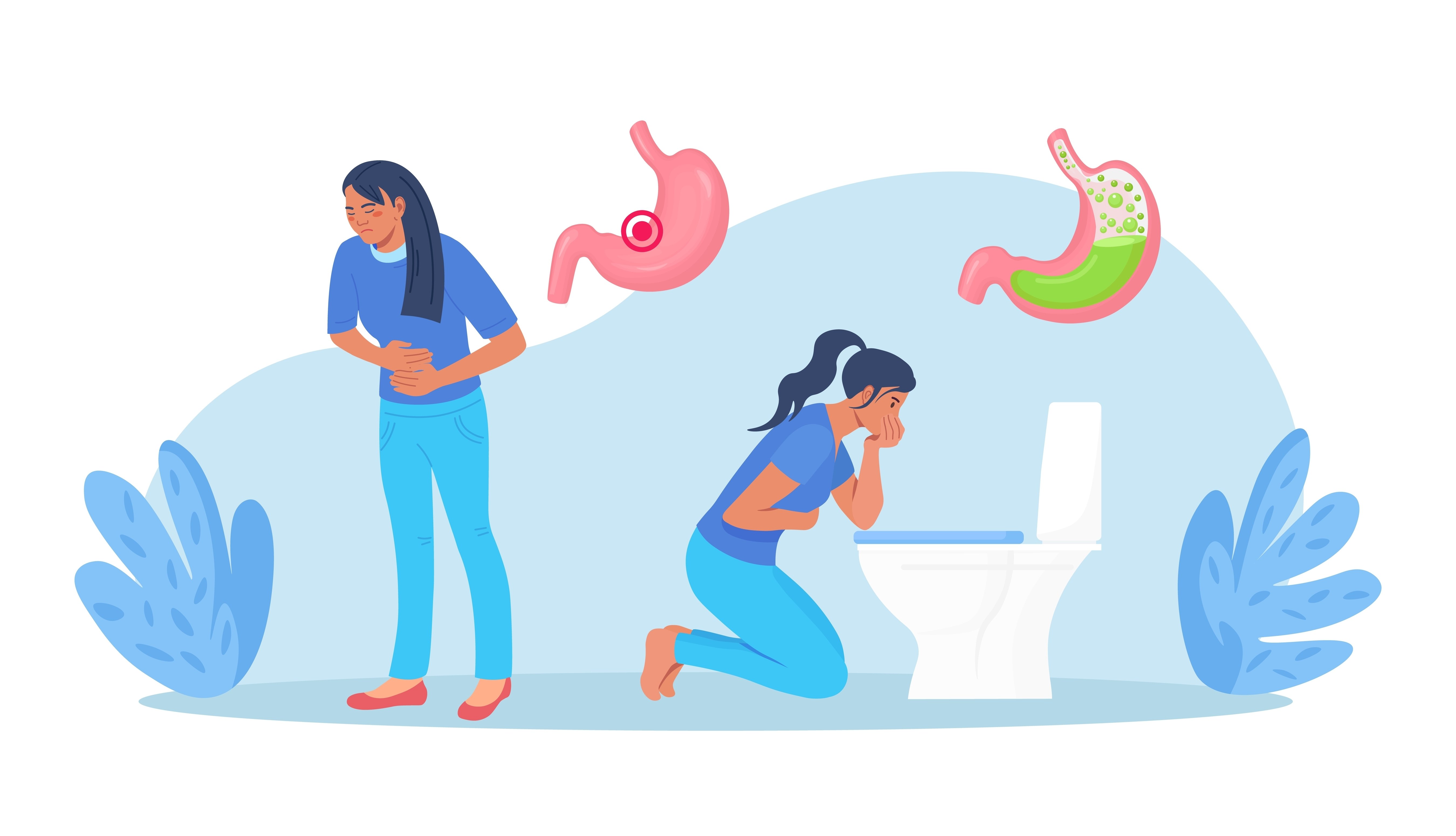
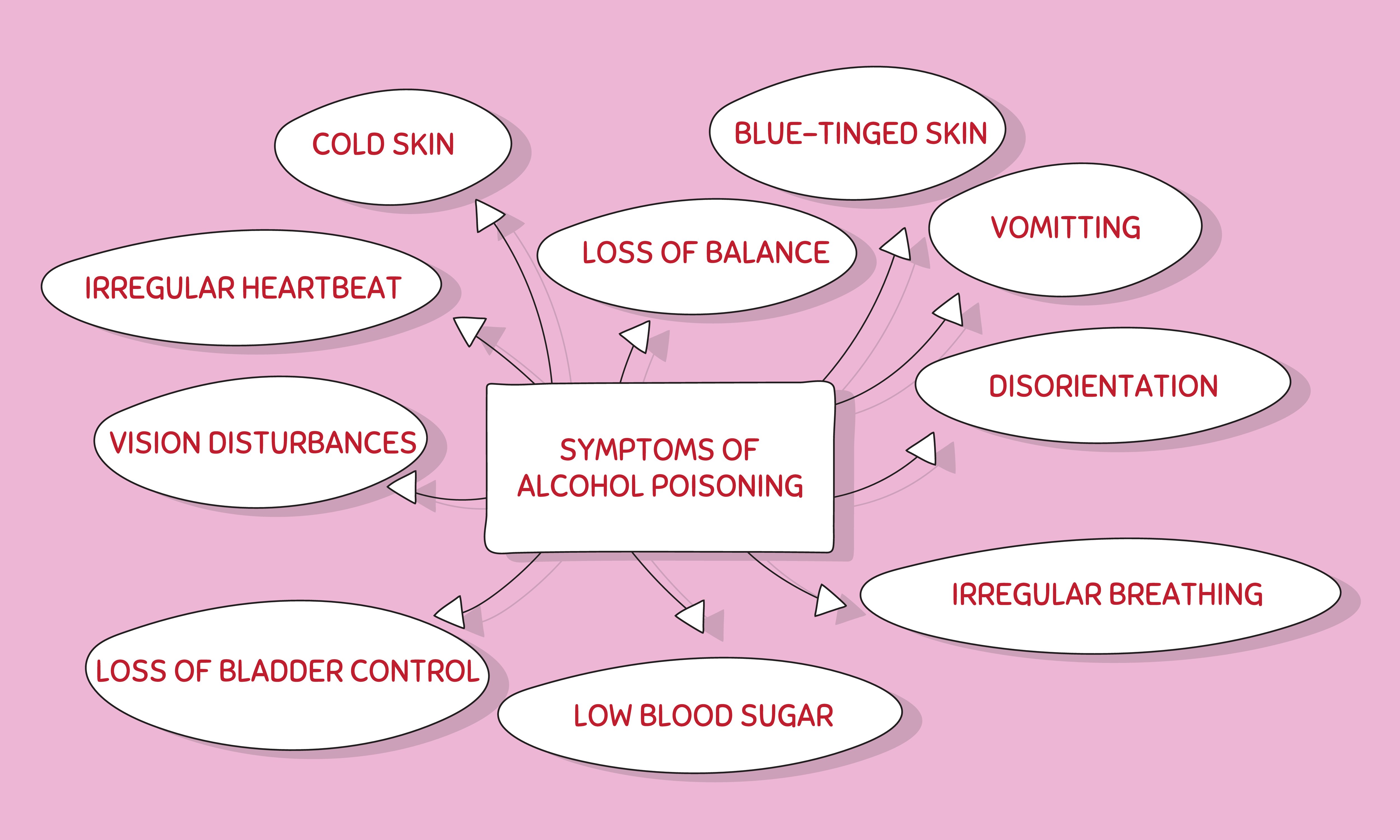
The symptoms of alcohol poisoning include confusion, vomiting, and seizures. Breathing slows to fewer than eight breaths a minute, and breaths may come more than ten seconds apart. Skin can turn blue-tinged or pale, a sign that oxygen levels have dropped too low. Low body temperature and a loss of consciousness can also occur.
Types of Alcohol
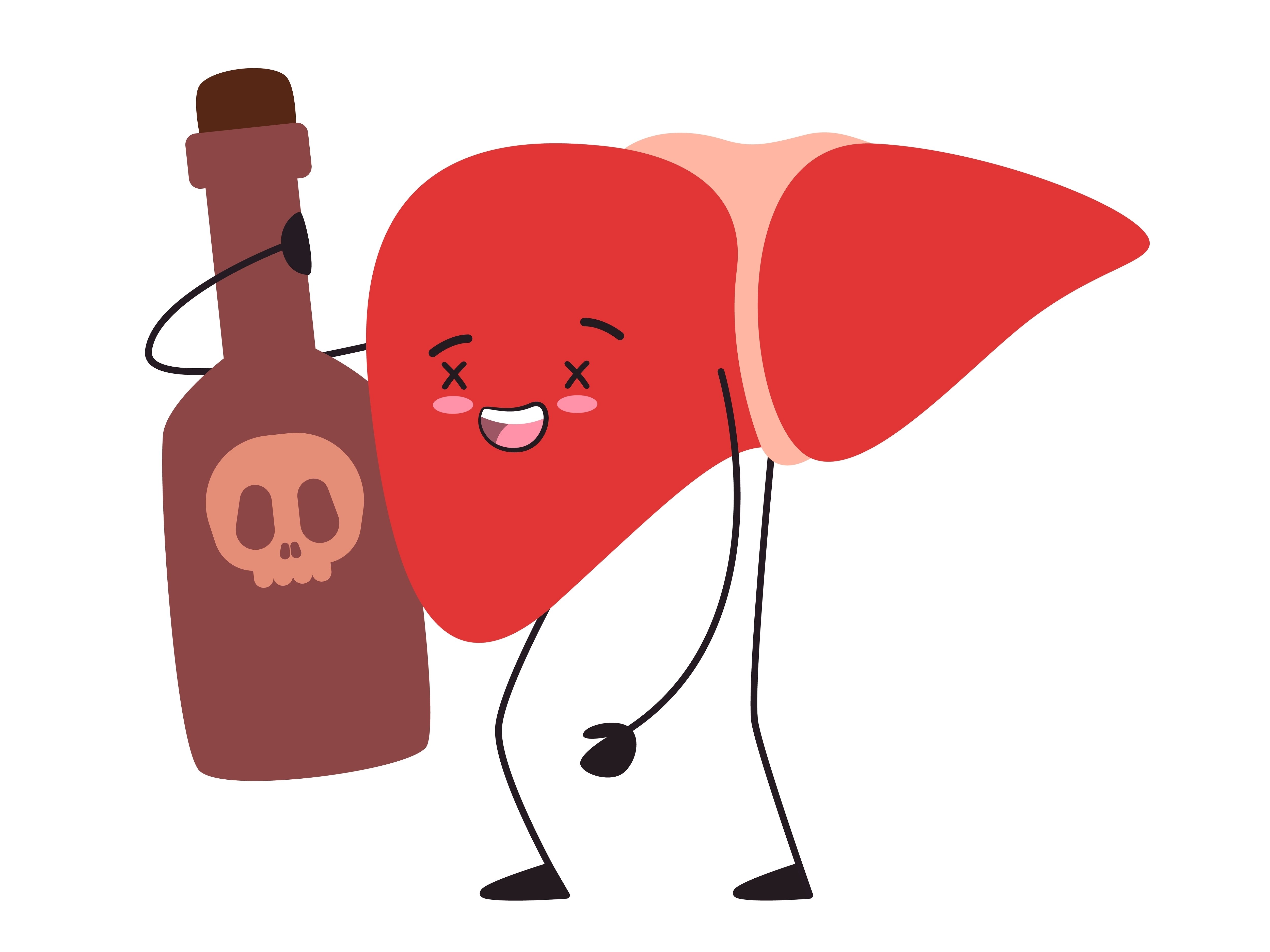
Ethyl alcohol, or ethanol, is the only type of alcohol that's safe to drink, and only in its pure form. Isopropyl alcohol shows up in rubbing alcohol, lotions, and many cleaning products. Methanol and ethylene glycol are found in paints, solvents, and antifreeze. Methanol, ethylene glycol, and isopropyl alcohol are poisonous in any amount, so swallowing any of them calls for immediate medical attention.

Binge Drinking
The most common cause of alcohol poisoning is binge drinking, which for men means five or more drinks in about two hours and for women four or more. It's worth clearing up a common assumption here: most people who binge drink are not dependent on alcohol, and dependence is a factor in only about 30 percent of alcohol poisoning deaths. The condition can follow a single heavy night or show up in someone who drinks regularly.
Alcohol Absorption
Alcohol is absorbed very quickly, much faster than food. While food spends hours moving through the digestive system, alcohol passes into the bloodstream almost immediately and at many points along the way. It also leaves the body far more slowly than it enters. One important thing to remember: the stereotypical signs of heavy intoxication aren't the only signs of danger. A person can take in a fatal amount while still conscious and talking, and blood alcohol can keep climbing even after the last drink, as alcohol already in the stomach and intestines continues to absorb.

What Is a 'Drink' of Alcohol?
How much counts as one drink depends on what you're drinking. A standard drink is 12 ounces of regular beer at 5 percent alcohol, 8 ounces of malt liquor at 7 percent, 5 ounces of wine at 12 percent, or 1.5 ounces of 80-proof spirits, which is about 40 percent alcohol. Each contains roughly the same amount of pure alcohol. Mixed drinks are harder to gauge, since they can combine multiple servings and types of alcohol in one glass.
Middle-Aged and Older Adults
Deaths from alcohol poisoning happen most often in middle-aged adults: about 76 percent occur among people aged 35 to 64, and roughly three-quarters of those who die are men. Several factors raise the danger as people get older. Body chemistry shifts with age and the liver grows less efficient, so alcohol builds up in the blood and isn't cleared fast enough to prevent toxic levels. Older adults are also more likely to take prescription medications, which raises the chance of a dangerous interaction with alcohol.
Incidence and Fatalities
Binge drinking itself is most common among teenagers and adults in their early twenties, but fatal alcohol poisoning skews older. Alcohol dependence is a factor in about 30 percent of these deaths. Younger, healthier people who develop alcohol poisoning tend to recover better than older adults, and people with alcohol use disorder often have chronic liver damage that makes toxic blood alcohol levels more likely.

Complications
The potentially fatal complications of alcohol poisoning include vomiting and choking. Heavy intoxication suppresses the gag reflex and makes it hard to wake up after passing out, so someone unconscious on their back can inhale vomit into the lungs and stop breathing. Severe dehydration is another risk, because alcohol is a diuretic that makes the kidneys produce more urine, so the body loses more fluid than it takes in. Dehydration can in turn drive a rapid heart rate, low blood pressure, and seizures.

What to Do in an Emergency
Alcohol poisoning is a medical emergency. If there's any doubt about whether someone is just very drunk or actually experiencing alcohol poisoning, call 911 right away. While you wait for help, keep the person sitting up or lying on their side rather than on their back, and wrap them in a blanket to guard against hypothermia. Never leave an intoxicated, unconscious person alone.
Prevention
The surest way to prevent alcohol poisoning is to stop consuming alcohol.
Failing that, drinking in moderation is recommended. General guidance puts that at no more than one drink a day for women and for adults over 65, and no more than two a day for men, with the understanding that less is better. Avoid drinking on an empty stomach, since food slows absorption, though not enough to offset binge drinking. And talk with teens about the real dangers of alcohol poisoning so they can make smart decisions at parties or out with friends.

Scroll Down
for the Next Article
Popular Now on Facty Health
Disclaimer
This site offers information designed for educational purposes only. You should not rely on any information on this site as a substitute for professional medical advice, diagnosis, treatment, or as a substitute for, professional counseling care, advice, diagnosis, or treatment. If you have any concerns or questions about your health, you should always consult with a physician or other healthcare professional.