
15 Foods to Avoid with Gallbladder Issues
Gallbladder issues are often triggered by high-fat, fried, and processed foods. Knowing which foods and habits to avoid can help reduce painful flare-ups and keep symptoms in check.
The gallbladder stores bile, a digestive fluid that helps break down fat. When something goes wrong, like gallstones or inflammation, eating certain foods can trigger cramping, nausea, or other digestive issues.
Some people need surgery, but many can manage symptoms with diet changes alone. Avoiding high-fat, hard-to-digest foods may help keep the gallbladder working more smoothly and reduce the risk of painful flare-ups.
High-Fat Dairy Foods
Dairy products like ice cream, whole milk, sour cream, and full-fat yogurt can worsen gallbladder issues. These foods are high in saturated fat, which makes them harder to digest and can trigger cramping or discomfort. People managing gallbladder symptoms may benefit from switching to low-fat or non-dairy alternatives. Always check labels, since some low-fat versions still contain added sugars or thickeners that could cause irritation.

High-Fat Meats
Fatty cuts of beef, pork, and lamb, as well as processed meats like sausages, hot dogs, and deli slices, can be tough on the gallbladder. These meats often contain high levels of saturated fat, which can prompt the organ to contract more forcefully, triggering pain or digestive issues. Leaner proteins like chicken breast, fish, or plant-based alternatives such as tofu are usually better tolerated and can help reduce the risk of flare-ups.

Eggs
Eggs are a breakfast staple, but the yolk is high in fat, which can cause problems for people with gallbladder issues. The fat is concentrated in the yolk, so egg whites are generally well-tolerated and can be eaten in moderation. The cooking method doesn't change an egg's fat content, but how you prepare it matters: fried eggs add extra fat, so poaching, boiling, or scrambling without added butter or oil are better choices. When symptoms are active, it's best to skip the yolk.

Baked Goods
Cookies, cupcakes, pies, and other baked goods are often high in saturated fat, which a compromised gallbladder struggles to process. This can trigger discomfort or flare-ups. Lower-fat versions may satisfy a craving without the same effect, though they sometimes make up for reduced fat with added sugar, so it's worth checking the label.

Fried Foods
Deep-fried foods are hard on the gallbladder. Pastries, onion rings, and fried chicken are high in fat that a struggling gallbladder has trouble processing, which can lead to cramping and stomach pain. Fast food is tempting after a busy day, but for people with gallbladder issues, the discomfort that follows usually isn't worth it.

Restaurant Foods
Fast food isn't the only culprit. Sit-down restaurants often use the same fats and cooking methods, and even dishes that sound healthy can be loaded with butter, oil, or cream. When eating out, don't hesitate to ask how something is prepared. Most kitchens can accommodate a simple request, and there are usually a few lighter options on the menu.

Refined, White-Flour Foods
Refined grains like white bread, white pasta, and white rice are digested quickly and can cause sharp rises in blood sugar. Some research links diets high in refined carbohydrates to a greater risk of gallstones, likely through their effect on insulin and cholesterol levels. Whole-grain options like whole wheat bread, rye, and brown or wild rice are more nutritious and gentler on the system.

Chocolate
A bite or two of chocolate is unlikely to cause much trouble. The issue is regular or excessive consumption, especially of chocolate milk, which combines several gallbladder triggers in one glass: dairy, sugar, and fat. Cutting back on sweetened chocolate can help reduce flare-ups.
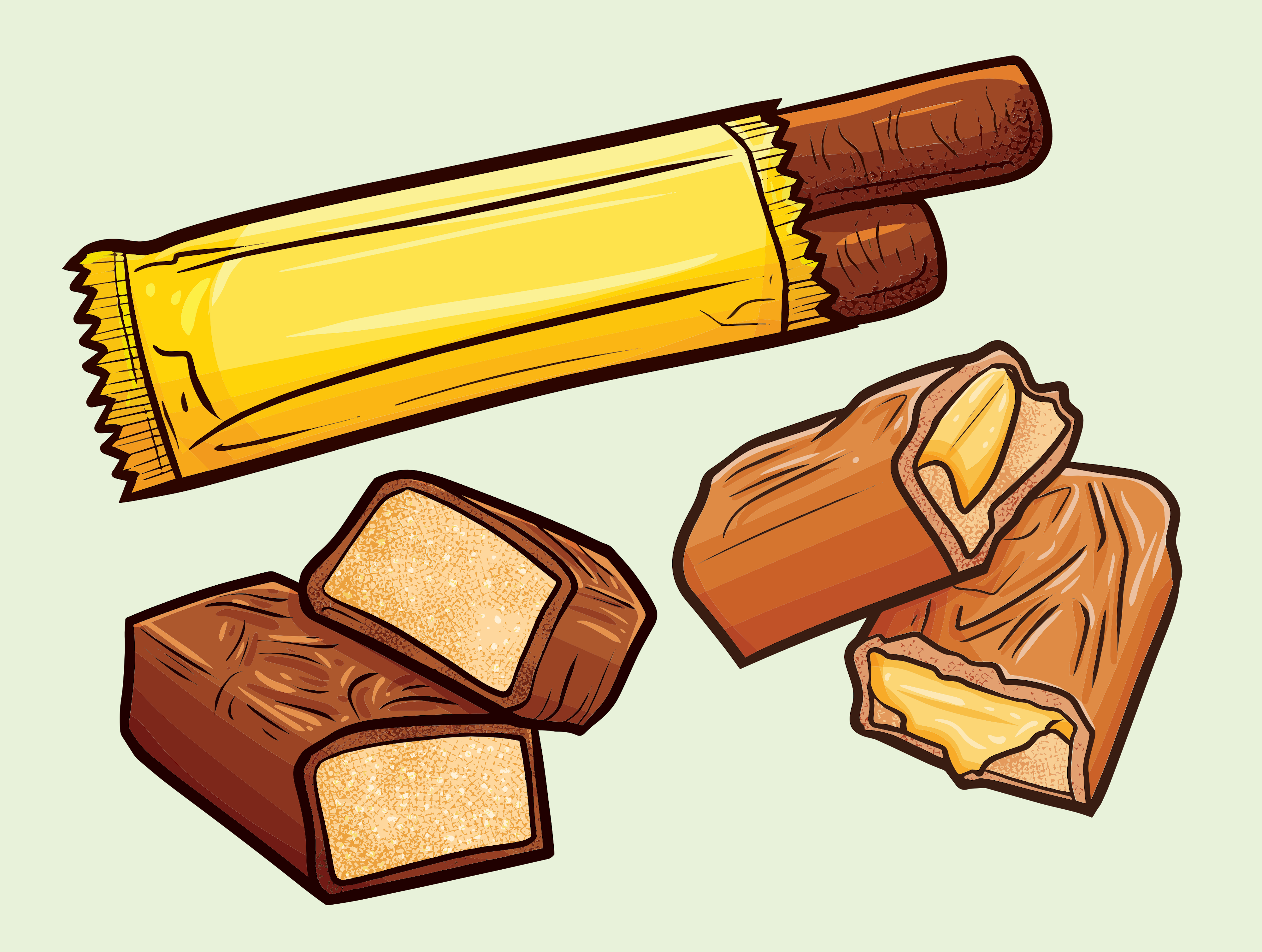 Illustration by Ogie on Unsplash
Creamy Soups and Sauces
Cream-based soups and sauces are common gallbladder triggers because of their high fat content. Broth-based soups are a good alternative, as are versions made with non-dairy options like cashew cream or almond milk. One caution: some broth soups include processed meat, which is its own trigger, so check what's in the bowl.

Pizza
Pizza combines several triggers from this list in a single slice: creamy sauce, high-fat cheese, processed meat, and white-flour crust. Eating them all at once can be a lot for a struggling gallbladder to handle. A homemade version that swaps in lighter ingredients lets you enjoy pizza with less risk of a flare-up.

Soda and Alcohol
Sugar-sweetened drinks like soda contribute to weight gain and diabetes. A 13-year study found that high consumption of soft drinks was linked to an increased risk of gallbladder and biliary tract cancers.
Alcohol is more nuanced. Research suggests that moderate or periodic alcohol consumption doesn't impair the gallbladder's ability to empty and may even offer some protection against gallstones. As with anything, moderation matters.

Avoid Skipping Meals
Skipping meals or fasting can actually trigger a gallbladder attack. When you don't eat, the gallbladder contracts less often, so it doesn't empty completely. Bile backs up, cholesterol builds, and over time those fats can harden into stones. Eating regular meals helps keep things moving.
 Illustration by dela salsabilla on Unsplash
Lose Weight
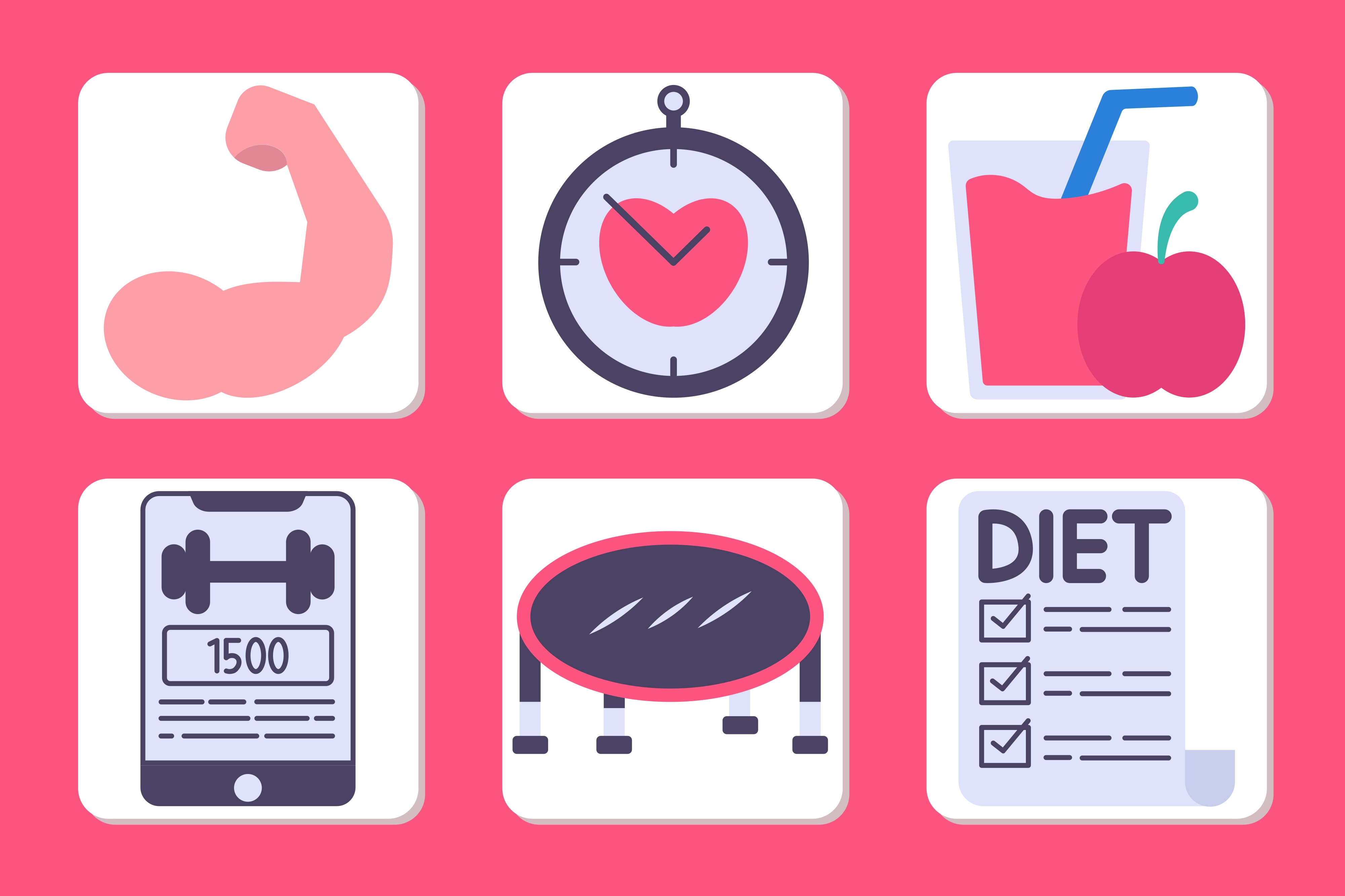
Carrying excess weight raises the risk of gallstones in several ways: higher cholesterol, larger gallbladders that empty less effectively, and added strain that makes it harder for the gallbladder to empty. Losing weight helps, but it needs to happen gradually. Rapid weight loss, including after bariatric surgery, actually raises the risk of gallstones.
Drink Lots of Water
Staying hydrated supports overall digestive health and may help the gallbladder empty more regularly. While water isn't a proven way to prevent gallstones, good hydration is a simple, low-risk habit that supports the whole system. This one's easy to act on.
Pickled and Spicy Foods
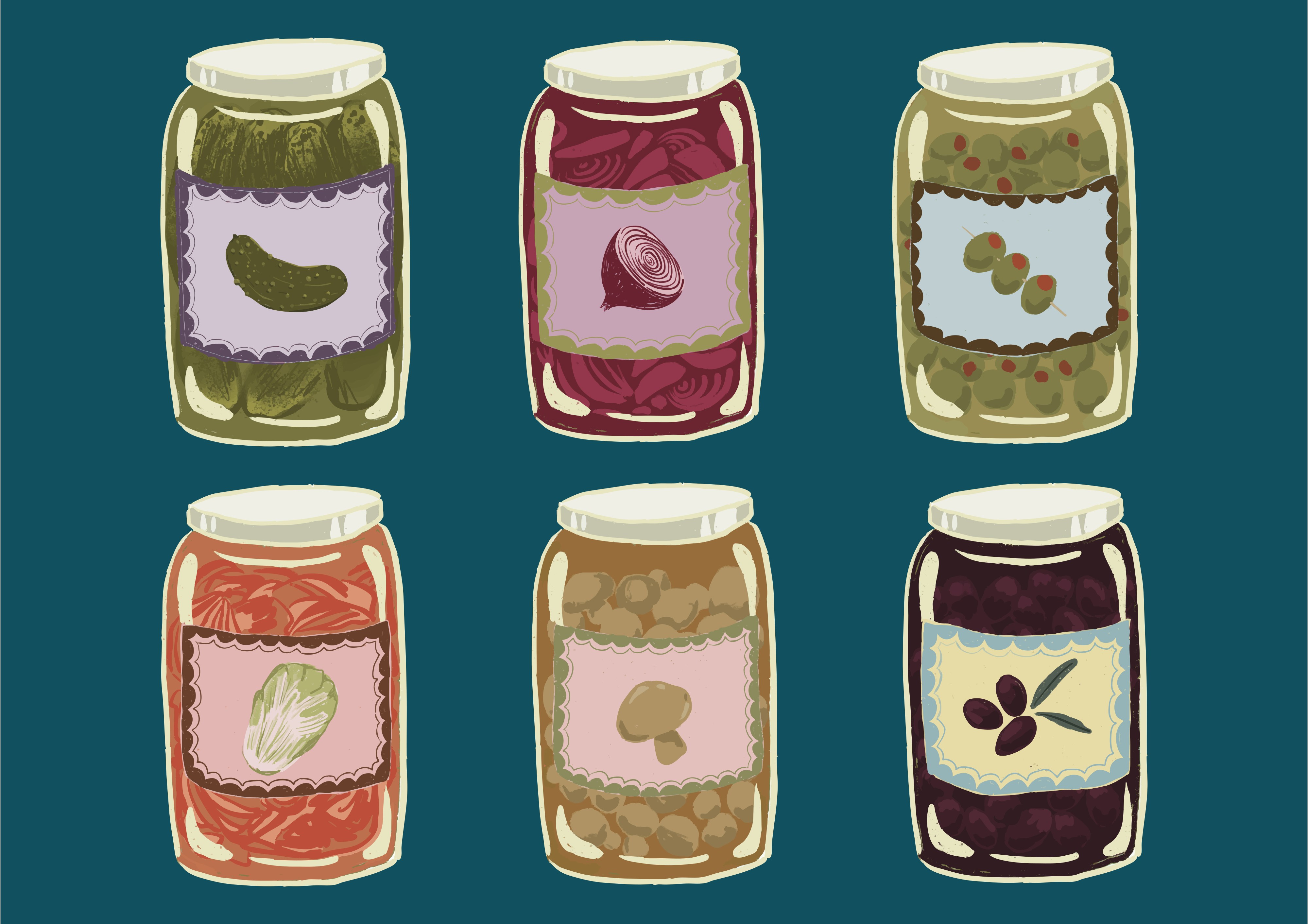
Spicy and pickled foods can irritate the digestive system and may aggravate symptoms for some people with gallbladder issues, though they're not a trigger for everyone. If you notice discomfort after eating them, milder, less acidic options are worth trying.
Excessive Red Meat
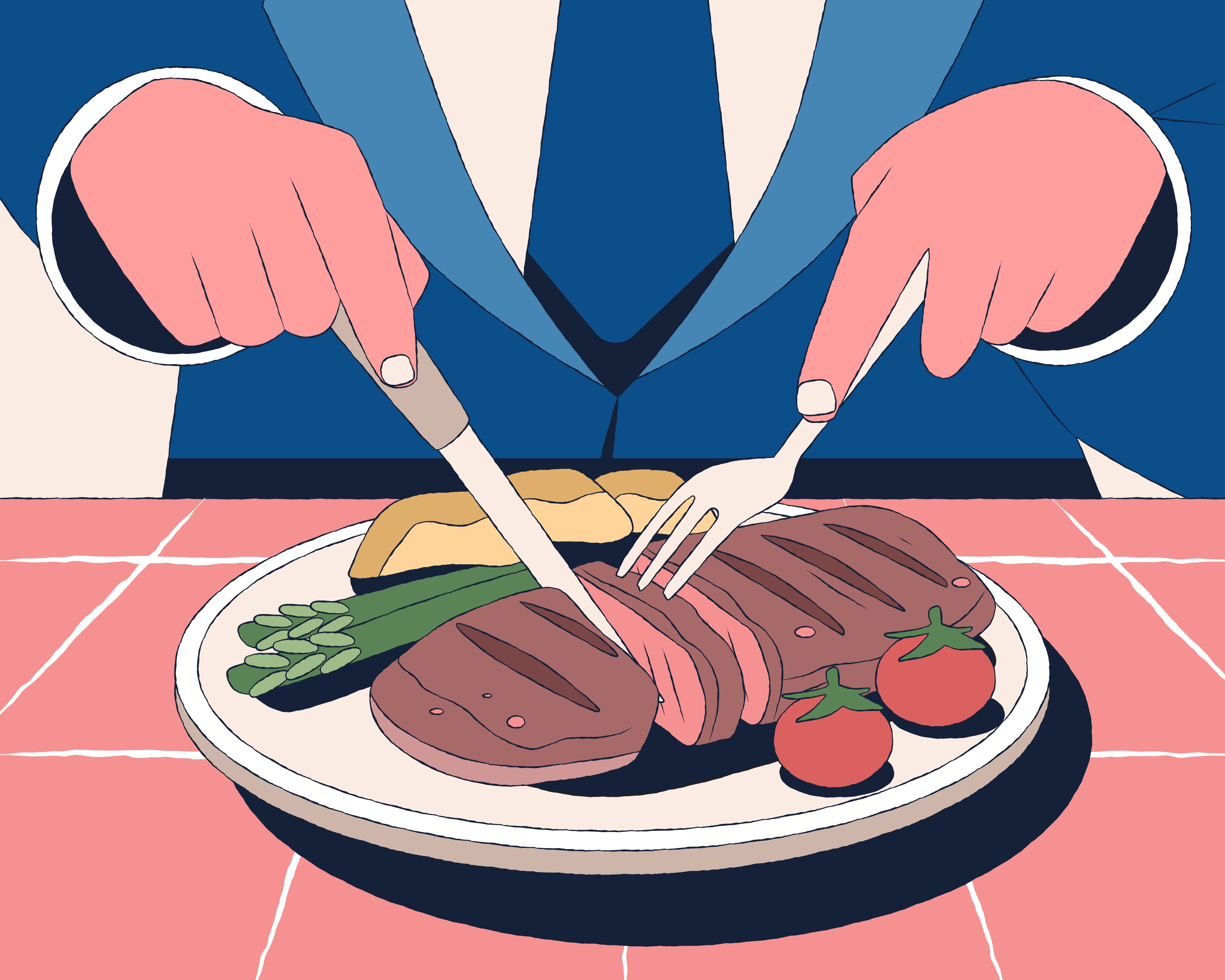
Lean meats like chicken and fish are usually fine, but red meat is often high in saturated fat, which can worsen gallbladder symptoms. If you eat red meat, keep portions small and lean. It's worth asking a healthcare provider how much fat is reasonable for you per meal.
Highly Acidic Foods
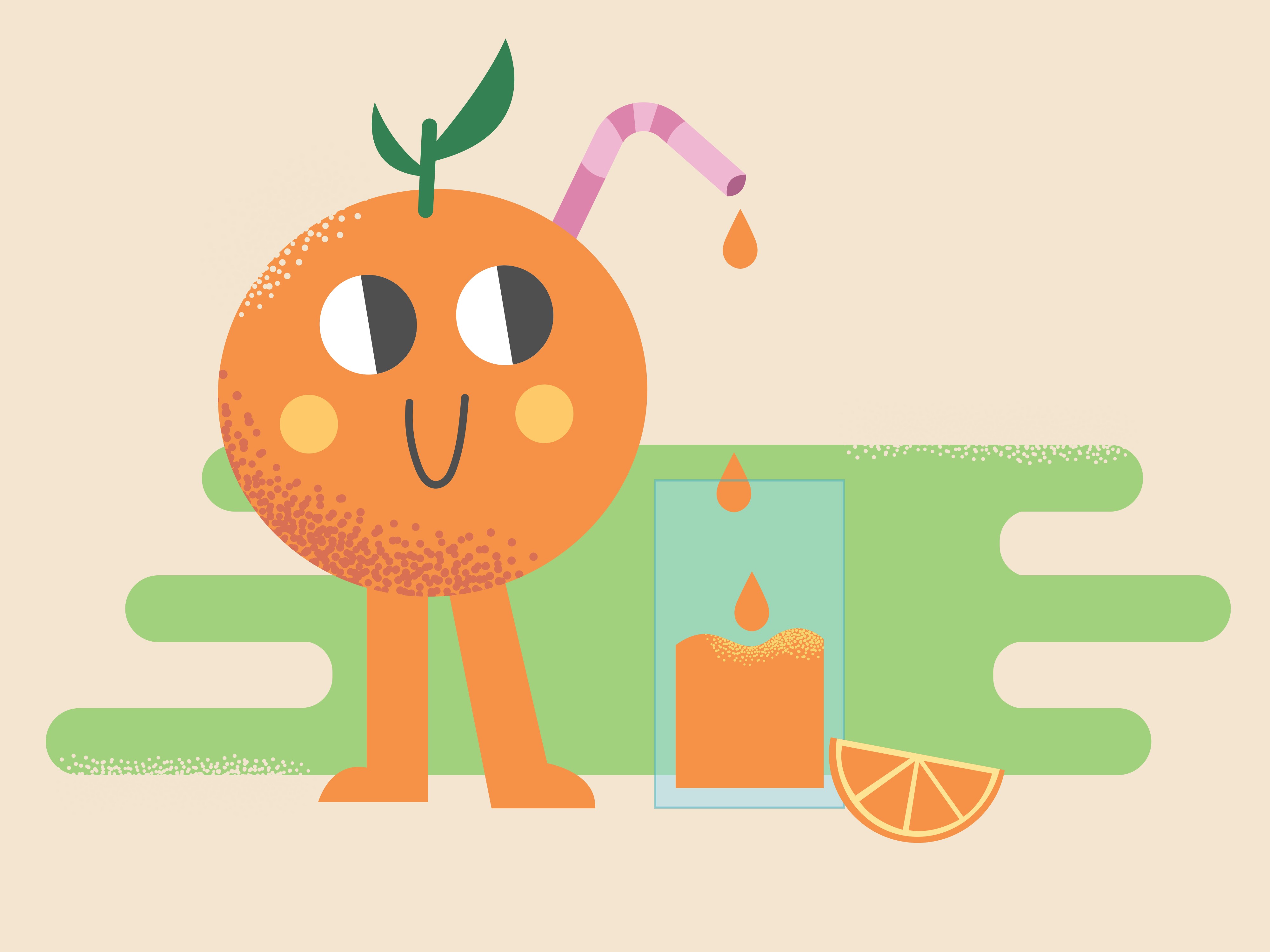
Some people with gallbladder issues report that highly acidic foods like citrus, tomatoes, and vinegar worsen their discomfort, though the evidence connecting these foods to gallbladder problems is limited. If you find they bother you, lower-acid swaps can help: apple juice instead of orange juice, or roasted red peppers in place of tomatoes. Go easy on avocado, which is a trigger for some people despite being a healthy fat.
Processed Condiments
Condiments like mayonnaise and creamy salad dressings can be high in unhealthy fats and additives that bother the gallbladder. Lighter options help: a dressing made from puréed vegetables and a splash of olive oil, or fresh herbs like parsley, basil, or cilantro for flavor instead of heavy sauces.


Scroll Down
for the Next Article
Popular Now on Facty Health
Disclaimer
This site offers information designed for educational purposes only. You should not rely on any information on this site as a substitute for professional medical advice, diagnosis, treatment, or as a substitute for, professional counseling care, advice, diagnosis, or treatment. If you have any concerns or questions about your health, you should always consult with a physician or other healthcare professional.