
10 Symptoms of Concussion
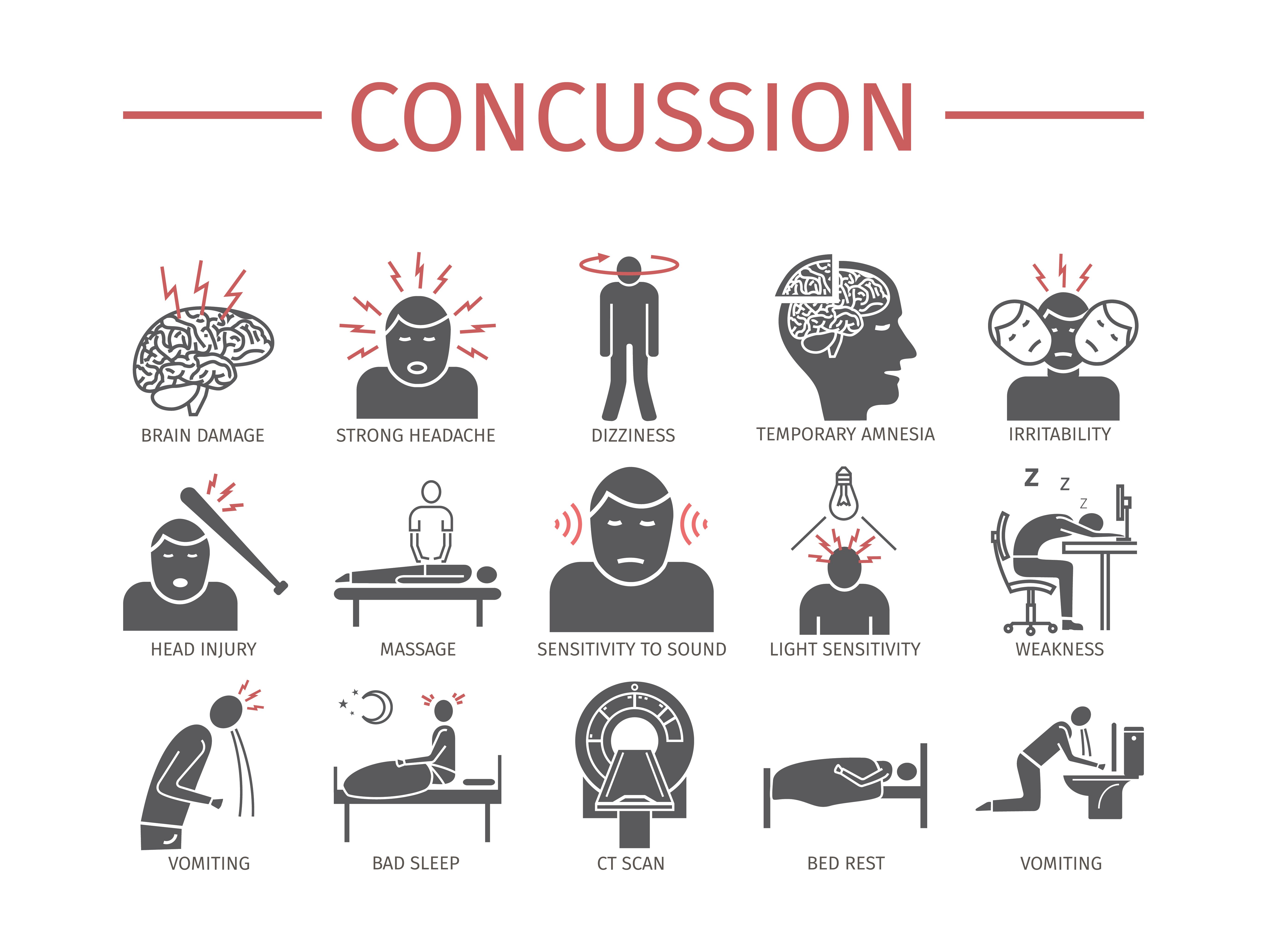
A concussion can cause headaches, dizziness, nausea, memory loss, and difficulty concentrating. Most symptoms resolve with rest, but some warrant prompt medical attention.
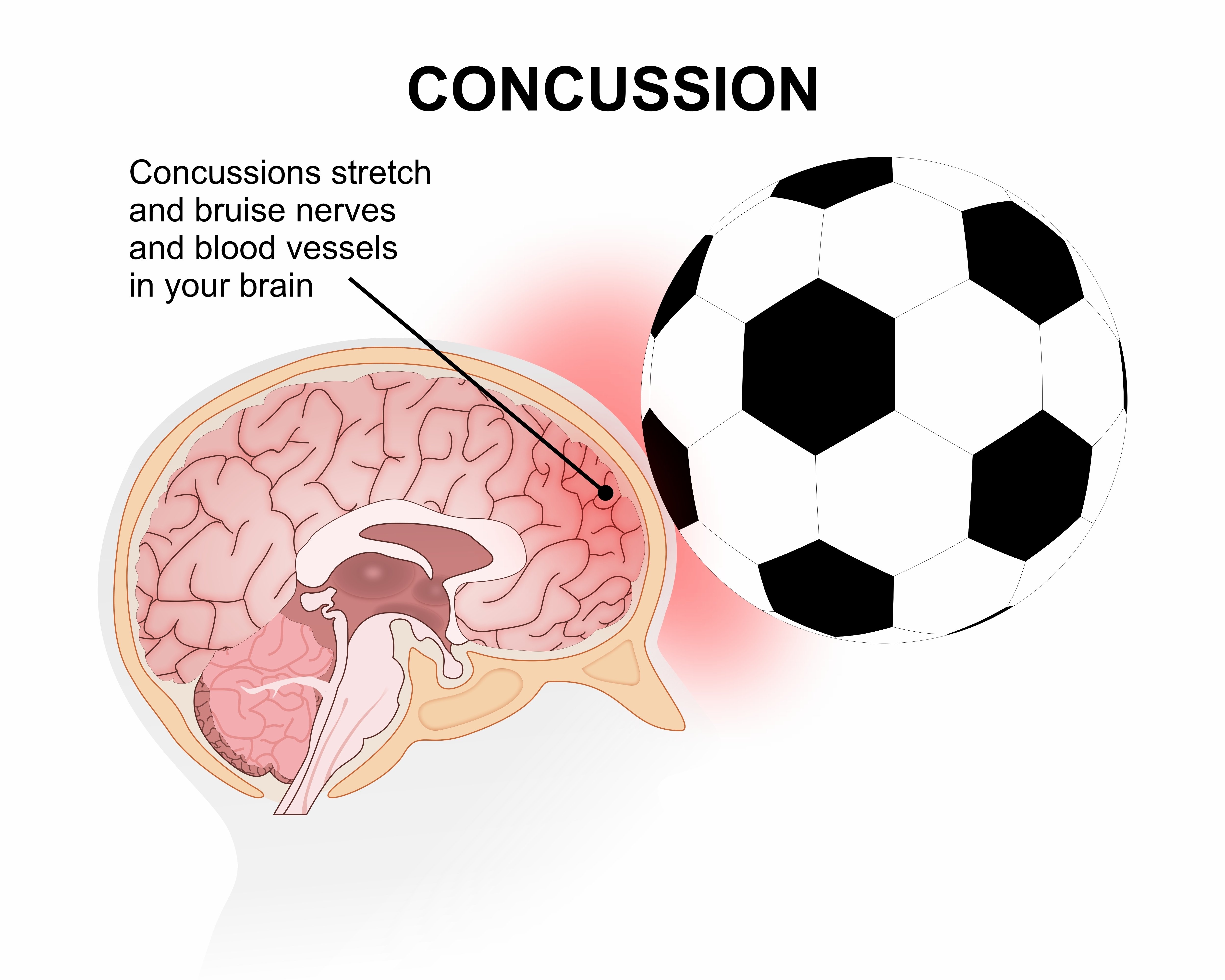
A concussion is a mild traumatic brain injury caused by a bump, blow, or jolt to the head. There is no cure, but symptoms are manageable and most people recover fully with rest. When you get a concussion, your brain needs time to heal. That means stepping back from physical activity, screens, and other demands until symptoms ease.
A Headache
If you get a headache after trauma, be careful. If the pain persists and develops into an intense headache, seek medical attention to determine if you have a concussion. Symptoms include a sharp pain, stabbing pains, throbbing or pressure that radiates in various parts of your head, neck, and shoulders.
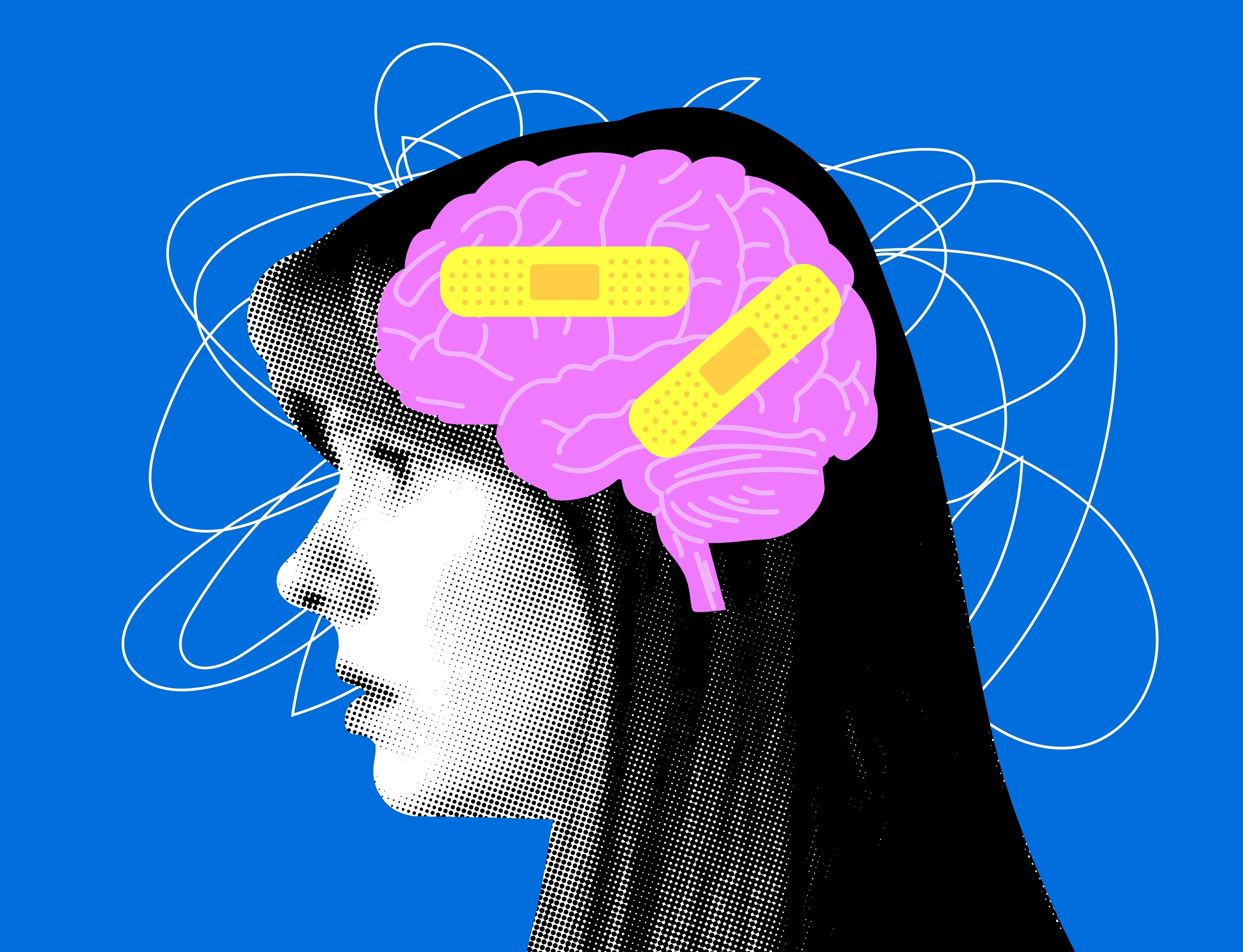
Disorientation
If you feel disoriented or confused, you might have a concussion. Immediately after a head injury has occurred, you might feel woozy. If the feeling persists for several hours or gets worse, seek medical attention immediately. When the brain experiences trauma, it typically takes a few days to recover. Disorientation is a direct effect of that injury, not a cause for additional concern on its own. But if it worsens or persists, it warrants medical attention.
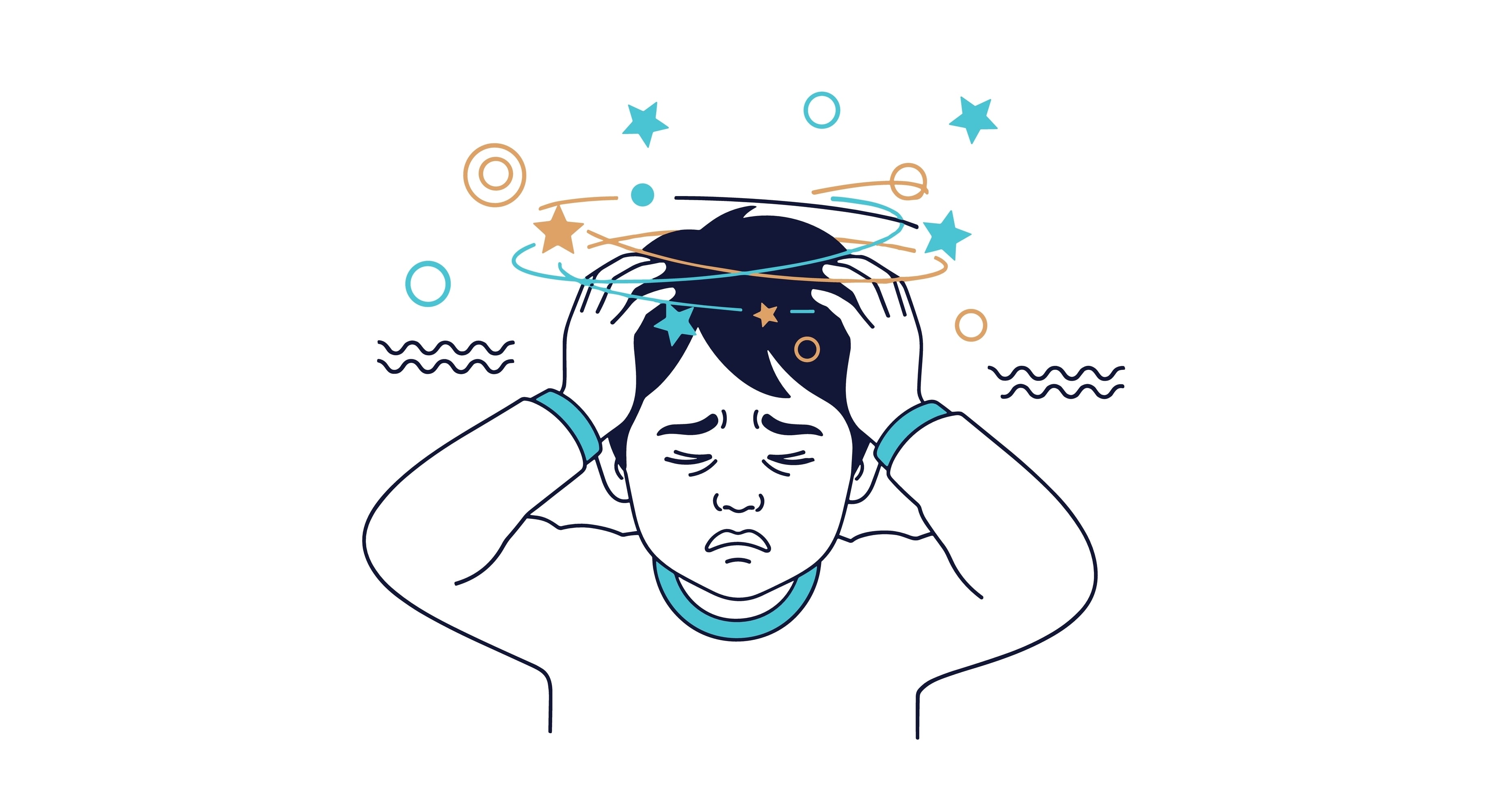
Nausea
Nausea is yet another concussion symptom caused by the pain associated with head injury. A blow to the head can disrupt the systems that control your balance and sense of space, and that disruption is one of the more common reasons people feel nauseous after a concussion. Your doctor might prescribe pain medication, but nausea and other symptoms typically go away on their own when your head has healed.
Vomiting
Vomiting is a common symptom following a concussion. Often, vomiting occurs during many health problems, and it is your body's way of telling you something is off. Those same disruptions, along with pressure changes in the brain, can also trigger vomiting. It often accompanies dizziness or disorientation in the hours following the injury. Isolated vomiting shortly after a concussion is common, but repeated vomiting is a sign you should seek medical attention promptly.

Dizziness
A concussion can cause dizziness that comes on suddenly. The room may spin, or you may feel unsteady when you stand up. Dizziness is one of the more dangerous concussion symptoms because it can strike without warning, so avoid driving or operating heavy machinery until it has fully resolved.

Memory Loss
Memory loss, also known as amnesia, sometimes accompanies a concussion. A concussion can interfere with how the brain encodes and retrieves information, which is why some people can't clearly recall the moments surrounding their injury. Permanent amnesia is rare and typically only occurs with very serious injuries. Memory usually returns as the brain heals.
Fatigue
A concussion causes deep fatigue as the brain works to repair itself. This is normal, but if fatigue persists beyond a few days or doesn't improve with rest, see a doctor. They can assess your recovery and advise on what, if anything, is safe to take for symptom relief.
Ringing Ears
If your ears start ringing after a head injury, it's a symptom of a concussion. Nausea, headache or dizziness usually accompany it. Ringing in the ears after a concussion is typically related to inner ear disruption rather than eardrum damage. This can affect your balance and, in some cases, your vision. All of these symptoms should dissipate on their own as the brain begins to heal.

Slurred Speech
Concussion symptoms often follow a blow to the head, so if you find yourself slurring your speech, seek medical attention immediately. Slurred speech after a concussion is a neurological symptom, caused by the brain's temporarily impaired ability to coordinate the movements involved in speaking. It can take time for your voice to return to normal, and you may also feel dizzy and disoriented. If the slurred speech continues more than a couple of days, schedule a follow-up appointment with your physician.
Loss of Concentration
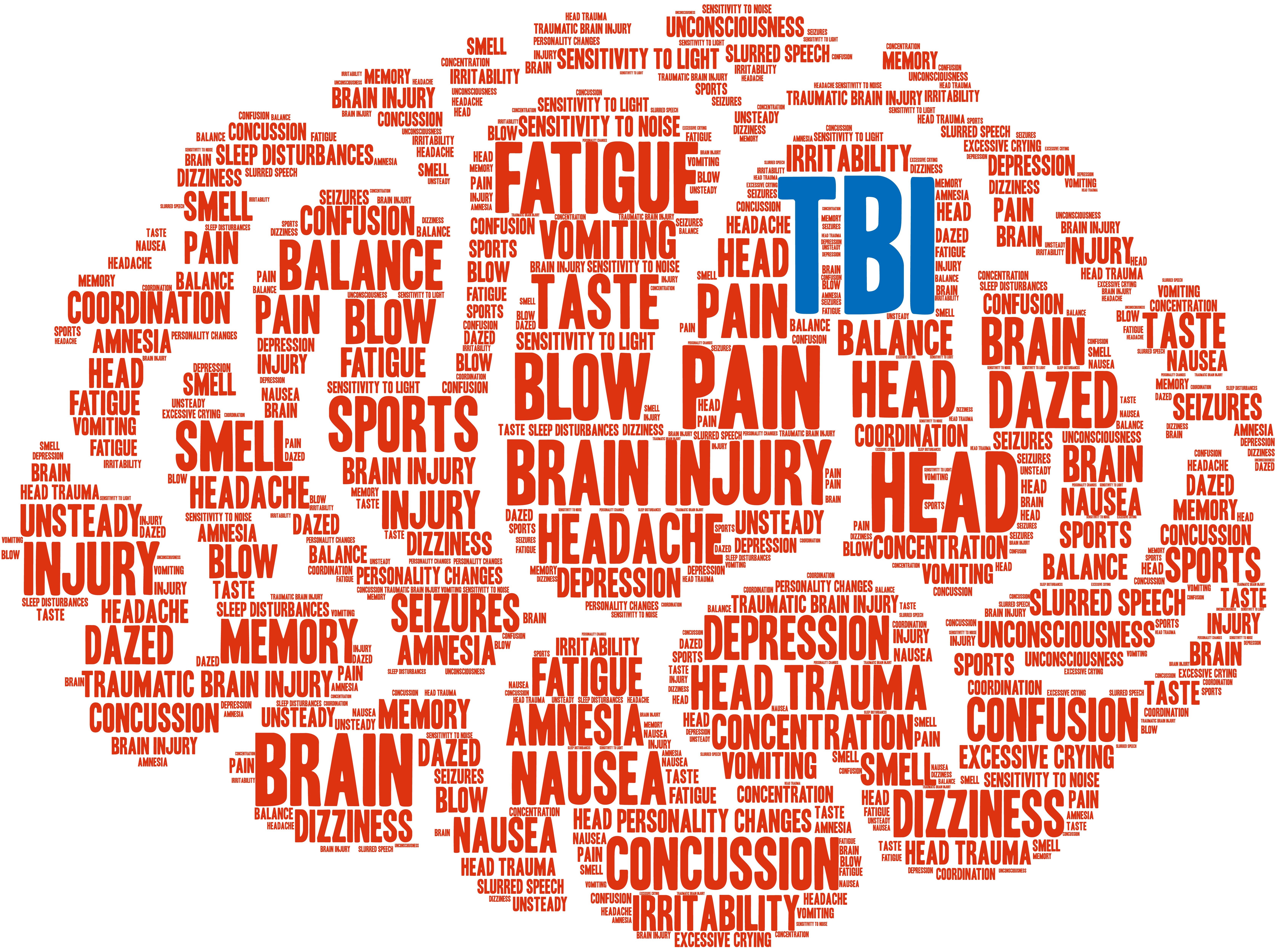
Difficulty concentrating and a temporary feeling of mental fog often accompany a concussion. If you feel dazed, that is a milder form of the same symptom. You may find it hard to follow a conversation, finish a thought, or stay focused on a task. For most people these difficulties resolve within a few days, but persistent mental fog is one of the more significant signs that your brain needs more time to heal. If it isn't improving, a doctor can help you understand why and what to do next.


Scroll Down
for the Next Article
Popular Now on Facty Health
Disclaimer
This site offers information designed for educational purposes only. You should not rely on any information on this site as a substitute for professional medical advice, diagnosis, treatment, or as a substitute for, professional counseling care, advice, diagnosis, or treatment. If you have any concerns or questions about your health, you should always consult with a physician or other healthcare professional.