
Frequently Asked Questions about Morgellons Disease
While medical professionals often debate the causes and treatments of various conditions, the discussion around Morgellons disease sometimes questions whether the condition exists as a distinct physical illness.
Medical studies haven't provided definitive proof to skeptics, but they also haven't proven it to be entirely imaginary. Some health authorities classify it as a type of psychosis rather than a physical ailment.
However, others argue the disease has very real physical manifestations, pointing to well-publicized cases—like that of entertainer Joni Mitchell—as evidence that Morgellons shouldn't be easily dismissed
What is the most characteristic symptom?
The most well-known and controversial symptom of Morgellons is the sensation of tiny mites or insects crawling under and biting your skin. If these insects were physically present, a doctor could usually detect them during an examination.
Because bugs like lice and ticks do feed on human bodies, it is easy to see why someone might feel that a parasite has gotten under their skin.
However, if a doctor cannot find solid physical evidence of bugs, they may begin to suspect an underlying mental health condition.
How does it affect the skin?
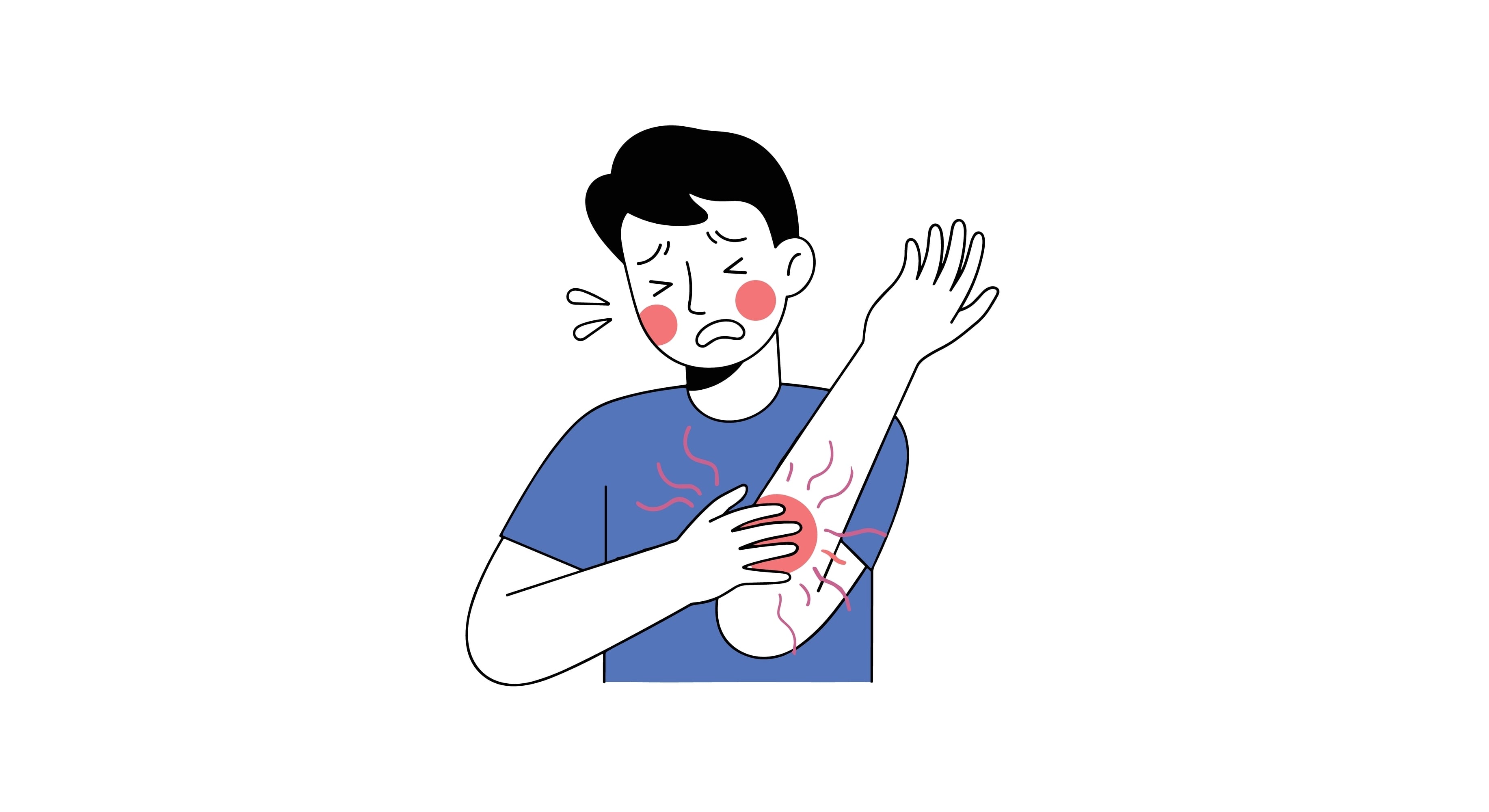
Many people with this condition experience severely itchy, painful skin. You might see sores or broken skin appear, along with very thin, fiber-like substances seemingly emerging from those breaks.
Sometimes, people also describe white granules separating from their skin. Without physical samples for a lab to analyze, doctors often have to decide whether to accept these accounts at face value or seek alternative explanations. Many medical professionals believe these fibers actually come from clothing rather than the skin itself.

How does it make people excessively anxious?
Regardless of how the condition is classified, the intense anxiety it causes is impossible to deny. When you believe bugs are living under your skin, feeling desperate to eradicate them is a natural response. Some people might even resort to applying bleach or other dangerous household chemicals to their skin to kill the suspected parasites, which ultimately causes severe skin damage.
This is exactly why doctors need to take your concerns seriously, helping guide you away from harmful home remedies and toward safe treatments.
How does it affect energy levels?
Fatigue is another frequently reported symptom, often reaching a level that makes it incredibly difficult to get through a normal day. This exhaustion can easily tie back to living in a highly anxious state of mind. Searching endlessly for a cure to a mysterious health problem will naturally wear you out.
Of course, there are plenty of other potential causes for fatigue, ranging from everyday job and family pressures to completely separate, underlying medical

Can it lead to behavioral problems?
If you are struggling with Morgellons, it is common to develop somewhat obsessive behavior patterns to cope. The exact habits look different for everyone, but they usually revolve around trying to rid the body of the suspected bugs.
You might find yourself repeatedly scratching your arms or applying harsh cleaning fluids to the affected areas. When these actions start interfering with your daily life and relationships, reaching out to a mental health professional for support is a smart step.

What kind of treatments do experts suggest?
As you might expect, treatment advice varies depending on a doctor's perspective on Morgellons. Professionals treating it as a physical infestation might suggest specific lotions and skin-cleansing agents to clear the skin.
A doctor could also prescribe a course of antibiotics or a medication normally used to treat scabies. Be extremely cautious of online advice from self-declared experts promoting harsh or dangerous substances; always consult your doctor before trying any at-home treatments.

Which group is it most likely to affect?
Interestingly, studies from various perspectives tend to conclude that this illness is more likely to affect middle-aged, white women than other demographics. There is also some evidence pointing to a potential link with smoking and substance use.
An underactive thyroid gland could be a contributing factor as well, though, because these findings often come from small study samples, their overall accuracy is still questioned. Without larger, more extensive research, the exact demographic triggers remain unclear.

Are mental health professionals involved in treatment?
Because Morgellons doesn't appear in standard diagnostic manuals, some conventional doctors may dismiss the symptoms. A less empathetic doctor might, unfortunately, brush off the concerns entirely.
Others will refer you to mental health services for further evaluation. In those cases, a psychiatrist might prescribe antipsychotic medications to help alleviate the physical sensations, treating them as a product of your mental state.
They also frequently prescribe antidepressants to help manage the heavy emotional toll of the condition.

Could there be a link to tick-borne diseases?
Given the crawling sensations associated with Morgellons, it seems reasonable to wonder whether there is a connection to well-documented tick-borne illnesses such as Lyme disease. One study based on a very small sample did find some support for this idea.
Conversely, other researchers argue they have proven beyond a doubt that Morgellons is not caused by a parasite or fungal infection. Ultimately, both advocates and skeptics agree that we need much more comprehensive research to understand exactly what causes these symptoms.

Is the disease infectious?
Despite all the disagreements over the nature of Morgellons, experts generally agree that regular, everyday contact with someone experiencing the condition is not infectious. S
ome analysts theorize that if a specific bacterium is involved, it could potentially be communicated from mother to baby. However, researchers still don't know for certain if the condition could be passed through close, intimate contact.


Scroll Down
for the Next Article
Popular Now on Facty Health
Disclaimer
This site offers information designed for educational purposes only. You should not rely on any information on this site as a substitute for professional medical advice, diagnosis, treatment, or as a substitute for, professional counseling care, advice, diagnosis, or treatment. If you have any concerns or questions about your health, you should always consult with a physician or other healthcare professional.