
10 Warning Signs of Heat Stroke: What You Need to Know
Heat stroke is a medical emergency that happens when the body overheats and can't cool itself. Learn the warning signs and what to do to cool someone while waiting for help.
Heat stroke is a life-threatening condition that develops when the body overheats and can no longer regulate its own temperature. It can happen during a heat wave, but also from physical activity in hot weather, or anywhere heat builds up, including indoors or inside a parked car. It can affect anyone, though young children, older adults, and people exerting themselves outdoors are at higher risk. When combined with dehydration, heat stroke can damage the brain and internal organs and can be fatal. It is a medical emergency. If you suspect heat stroke, call 911 or your local emergency services immediately, then begin cooling the person while you wait for help.
Extremely High Body Temperature
A core body temperature of 104°F (40°C) or higher is the defining sign of heat stroke. The skin is often red and hot to the touch, and in heat stroke brought on by hot weather, it may also be dry. This is the body's cooling system failing, and it needs to be reversed quickly. Move the person into shade or an air-conditioned space, remove excess clothing, and start cooling them with whatever is available: a cool bath or shower, cool wet towels, or ice packs placed on the neck, armpits, and groin. Fanning the person while misting their skin with cool water also helps. A sunburn can leave skin red and hot too, but the other symptoms here are what set heat stroke apart.
Dizziness and Fainting
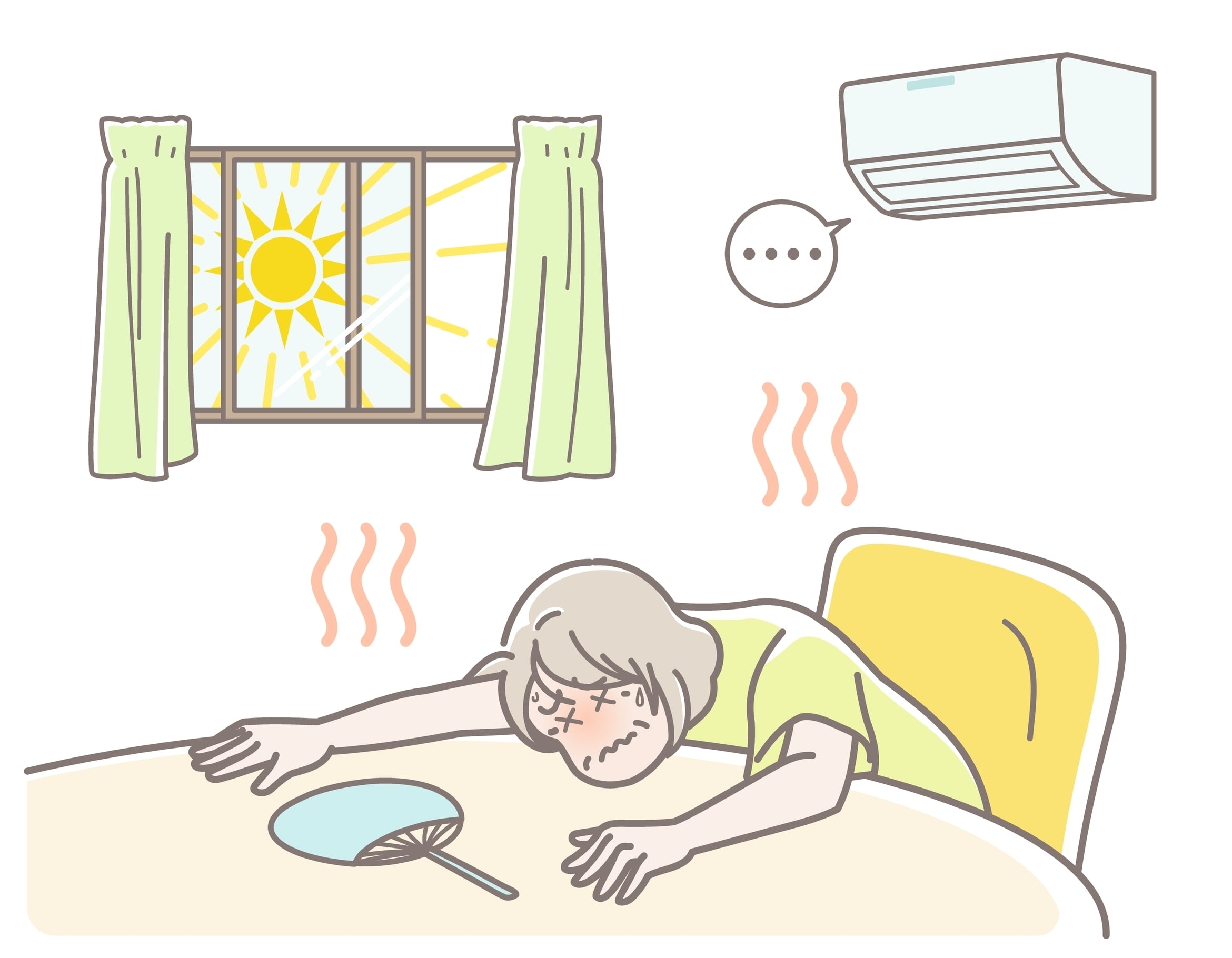
Heat stroke can cause dizziness or a spinning sensation, sometimes with blurred vision or ringing in the ears. In more serious cases, the person may faint. Anyone feeling dizzy in the heat should sit or lie down right away in a cool, shaded place to avoid injury from a fall. Moving out of the heat is the priority. If the person is fully alert and able to swallow, small sips of cool water can help, but don't give fluids to someone who is confused, drowsy, or losing consciousness, as it can cause choking.

Rapid Heartbeat
A racing or pounding heartbeat is a strong sign of heat stroke. Heat places an extreme burden on the heart as it works harder to move blood to the skin and cool the body, and breathing may become rapid and shallow as well. Get the person into a cooler space and begin active cooling. Keeping them still and calm reduces the strain on the heart while help is on the way.

Disorientation or a Sense of Confusion
Confusion, slurred speech, agitation, and disorientation are among the most serious signs of heat stroke. They mean the rising body temperature is starting to affect the brain. Trouble thinking or focusing, severe restlessness, and even aggression can all appear. Because the person isn't fully alert, do not try to give them fluids, which can cause choking. Instead, keep them cool and still, and stay with them until help arrives. These mental changes are a signal that the situation is serious and time matters.

Nausea and Vomiting
As the body overheats, nausea and vomiting can set in, often alongside dizziness. This is a sign of how much strain the body is under, and in severe cases heat stroke can damage the internal organs. Get the person out of the heat and begin cooling them. Don't try to give fluids to someone who is actively nauseous or vomiting, since it can lead to choking. Cooling the body is what addresses the underlying problem, and the nausea tends to ease as the temperature comes down.

Throbbing Headache
A pounding or throbbing headache is a common sign that the body is overheating. It often shows up as heat builds and can persist for hours. If a headache sets in during heat or exertion, treat it as an early warning: move to a cooler location, rest, and apply a cool, damp cloth to the head and neck. If the person is fully alert, sips of cool water help too. A headache that comes with confusion, a very high temperature, or any of the other signs here points to heat stroke and needs emergency care.

Lack of Sweating
Sweating is the body's main cooling mechanism, so when someone in the heat suddenly stops sweating, it's a warning sign. It can mean heat exhaustion has tipped into heat stroke, with the body losing its ability to cool itself. Skin that is hot and dry to the touch is a classic indicator. Start active cooling right away: get the person into shade or air conditioning, wet the skin with cool water, and apply cold packs to the neck, armpits, and groin. One thing to know: not everyone with heat stroke stops sweating. People who overheat during heavy exertion may sweat heavily instead, so don't rule out heat stroke just because someone is still sweating.

Hot, Dry Skin
When the body can't sweat, heat builds with nowhere to go, and the skin feels hot and dry to the touch. This is the body's temperature climbing unchecked. The skin is also the fastest place to cool someone down, so put that to use: a cool bath or shower, cool wet towels, or a cool sponge over the skin all draw heat out. Cold packs on the neck, armpits, and groin work especially well because large blood vessels run close to the surface there. Keep cooling until help arrives or the person's temperature comes down and they feel better.
Seizures
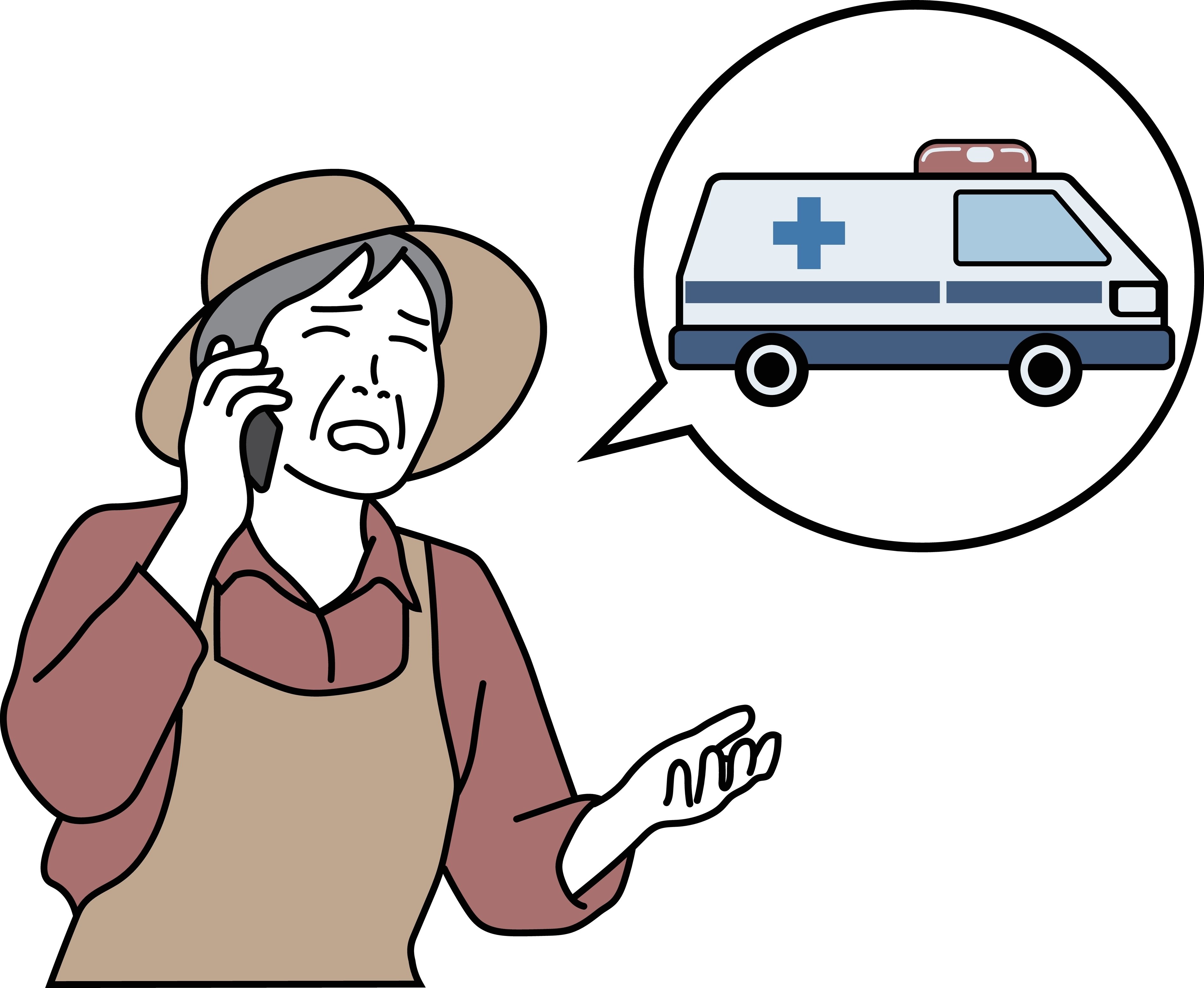
Heat stroke can cause seizures, where the body shakes or stiffens uncontrollably, though some seizures are subtler. They happen because extreme heat disrupts normal brain activity, and they signal a serious emergency. If someone has a seizure, the goal is to keep them safe, not to stop the seizure. Clear hard objects out of the way, cushion their head, and don't try to restrain them or put anything in their mouth. Never give food or water to someone who is seizing or not fully alert. Once the seizure passes, gently turn them onto their side and continue cooling them while you wait for help.

Extreme Exhaustion
Heat can leave anyone feeling tired, but the sudden, profound exhaustion of heat stroke is different. It often comes paired with the other signs covered here: confusion, a racing heart, or a very high temperature. On its own, fatigue might just mean someone overdid it and needs rest in a cool place. Combined with those other symptoms, it points to heat stroke and an emergency. When in doubt, treat it as the serious end: get the person cool, call for help, and keep cooling them until it arrives.


Scroll Down
for the Next Article
Popular Now on Facty Health
Disclaimer
This site offers information designed for educational purposes only. You should not rely on any information on this site as a substitute for professional medical advice, diagnosis, treatment, or as a substitute for, professional counseling care, advice, diagnosis, or treatment. If you have any concerns or questions about your health, you should always consult with a physician or other healthcare professional.