
Knowing what to eat during pregnancy can feel overwhelming — everyone from your great-aunt to the morning news has an opinion on prenatal nutrition. Some advice, like the old "eat for two" rule, can actually cause problems. But many recommendations do contain a grain of truth. For a healthy pregnancy, focus on getting enough key nutrients like folic acid and iron, avoiding substances that can harm your baby's development, and eating a balanced diet of whole, fresh, unprocessed foods.
Make sure you get enough folic acid
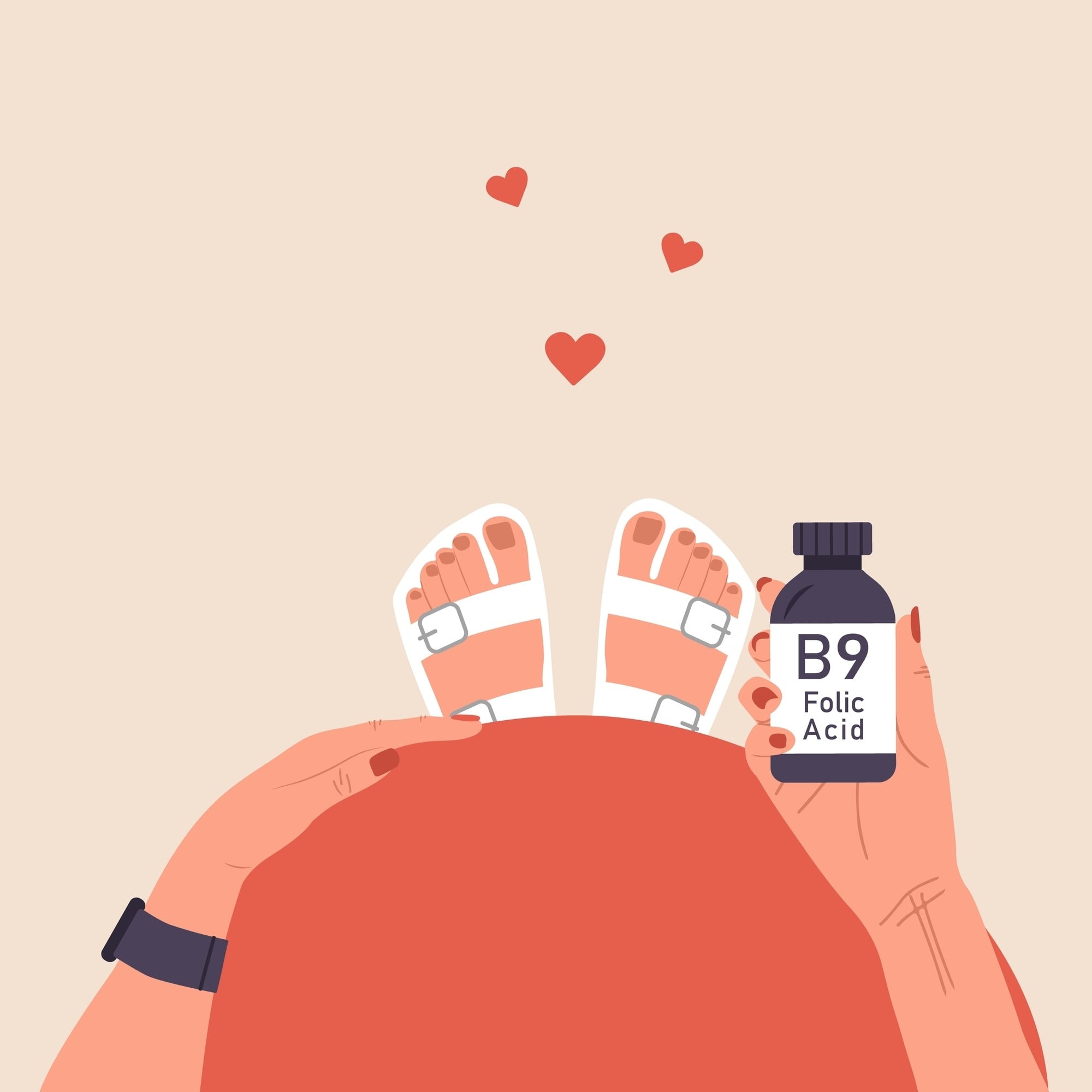
Folic acid, a B vitamin, matters both before and after conception. Having enough of it in your system can reduce the risk of birth defects — including spinal malformations and neural-tube defects — by 50 to 70 percent. Boosting your intake up to a year before conceiving may also help prevent preterm delivery.
Eat foods rich in iron
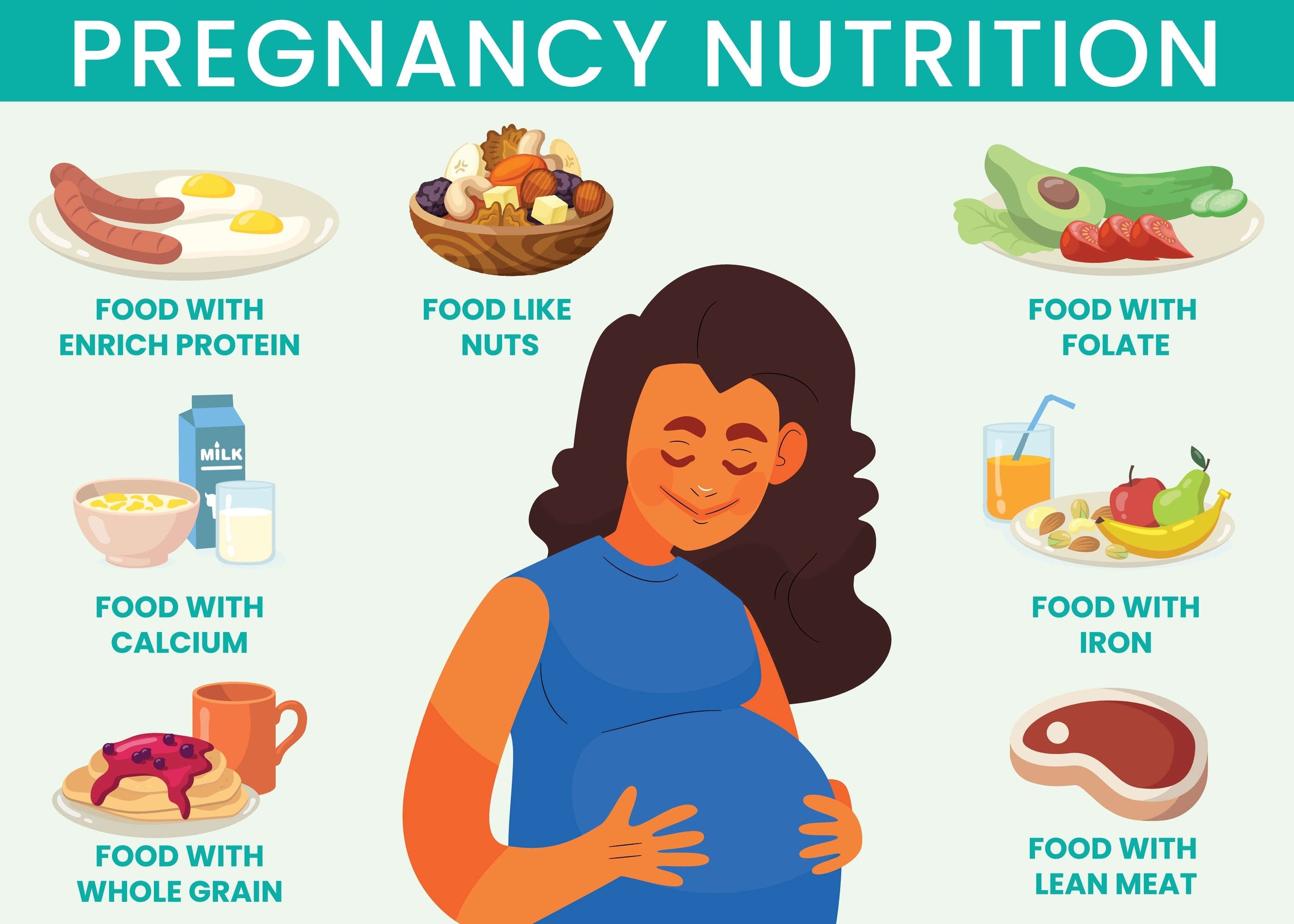
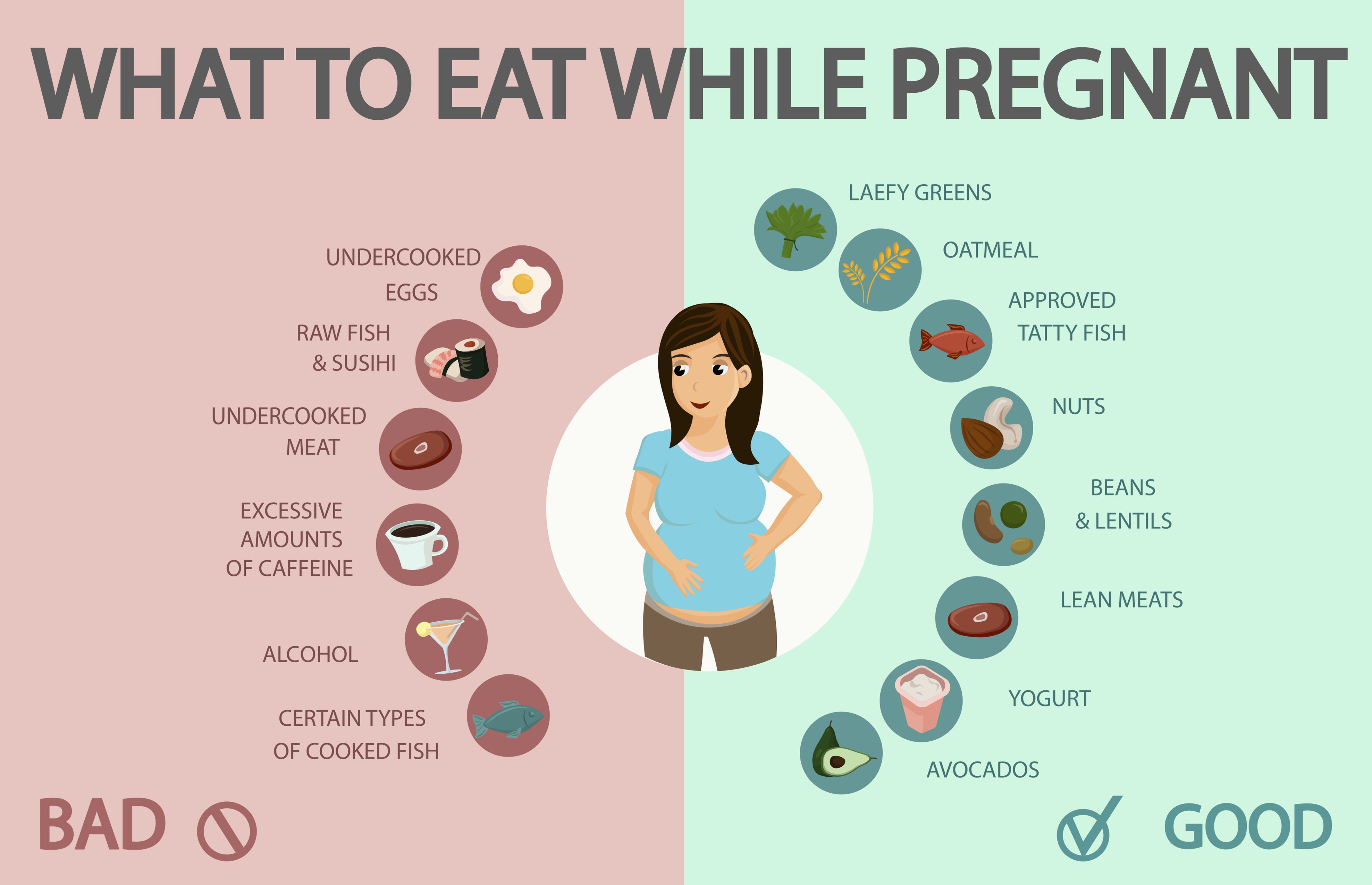
Your iron requirement roughly doubles during pregnancy, from around 25 mg to 50 mg per day. Iron helps make red blood cells and carry oxygen through your body and your baby's. Good sources include red meat, dry beans, legumes, oatmeal, and tofu.

Be extra vigilant about food-borne bacteria
Raw eggs, undercooked meat, unpasteurized deli meat, and raw fish can all carry bacteria that pose a real risk during pregnancy. In serious cases, E. coli, Listeria, and Salmonella have been linked to miscarriage and preterm delivery. Avoid high-risk foods, keep your refrigerator at or below 40°F, and be careful with leftovers.

Consume enough fiber
A fiber-rich diet helps prevent constipation and hemorrhoids — both common pregnancy complaints — and keeps you feeling full so you're less likely to overeat. High-fiber foods are also packed with vitamins and minerals. Good options include whole grain breads, beans, legumes, and most fruits and green vegetables.

NataliaDeriabina / Getty Images
Avoid caffeine
Caffeine shows up in more places than you might expect — not just coffee and tea, but many sodas, hot chocolates, energy drinks, chocolate bars, and even some breakfast cereals. It has been linked to an increased risk of miscarriage. While research is ongoing, it's safest to limit or avoid caffeinated foods and beverages during pregnancy.

Get enough calcium
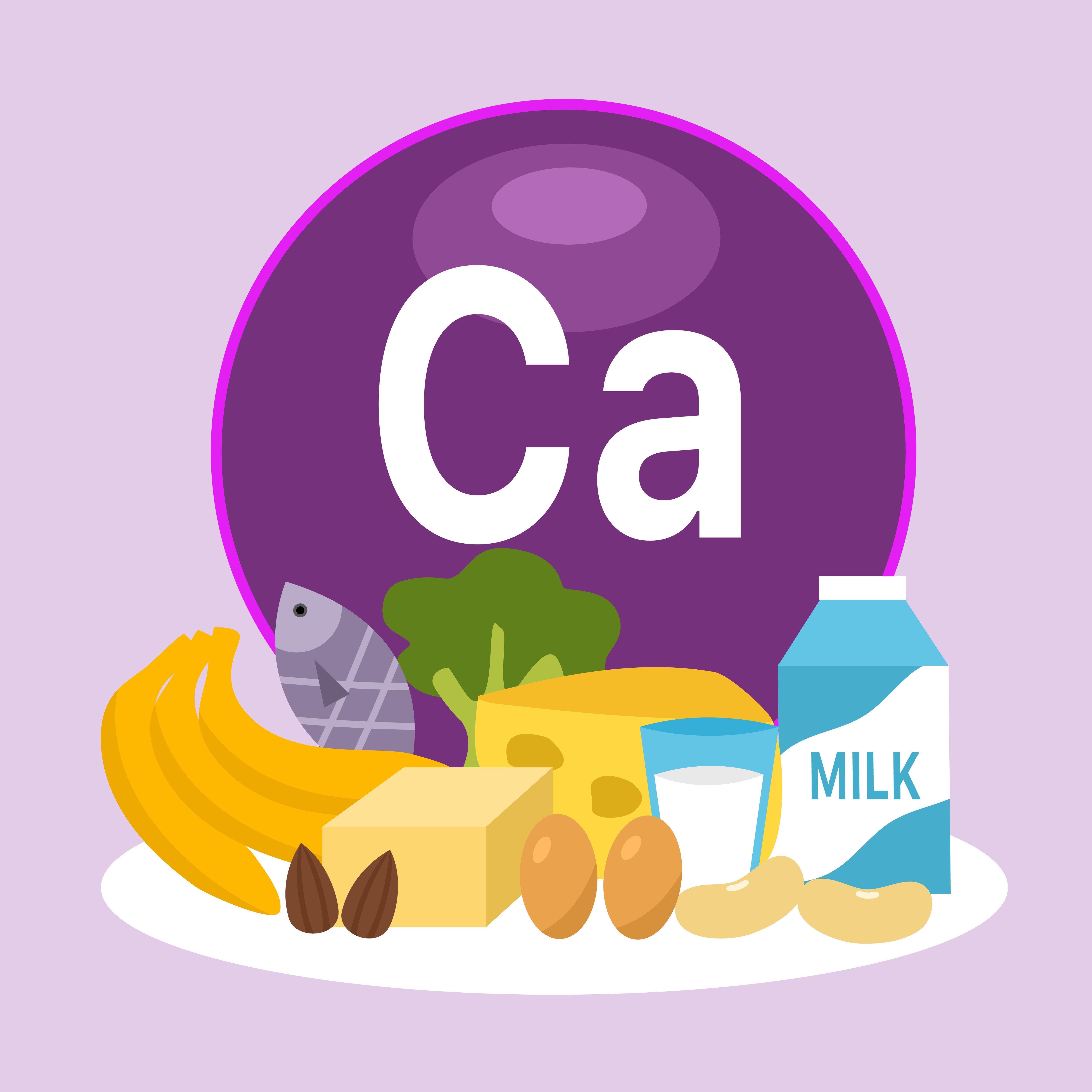
Medical authorities recommend at least 1,000 mg of calcium daily during pregnancy. Adequate calcium supports fetal bone and tooth development — particularly in the second and third trimesters — and prevents your baby from drawing calcium from your own bones, which can cause problems for you down the line.
Eat adequate protein
Protein is essential for both you and your baby. Aim for 80 to 100 grams a day to maintain energy and help prevent swelling later in pregnancy. Meat is an obvious source, but nuts, cheese, legumes, and eggs all contribute too.
Drink plenty of water
Hydration matters for everyone, but especially during pregnancy. Your blood volume increases significantly, and drinking enough water — at least eight glasses a day — helps ensure that nutrients are reaching your baby efficiently for healthy cell growth.

pinkomelet / Getty Images
Ban alcohol from your diet
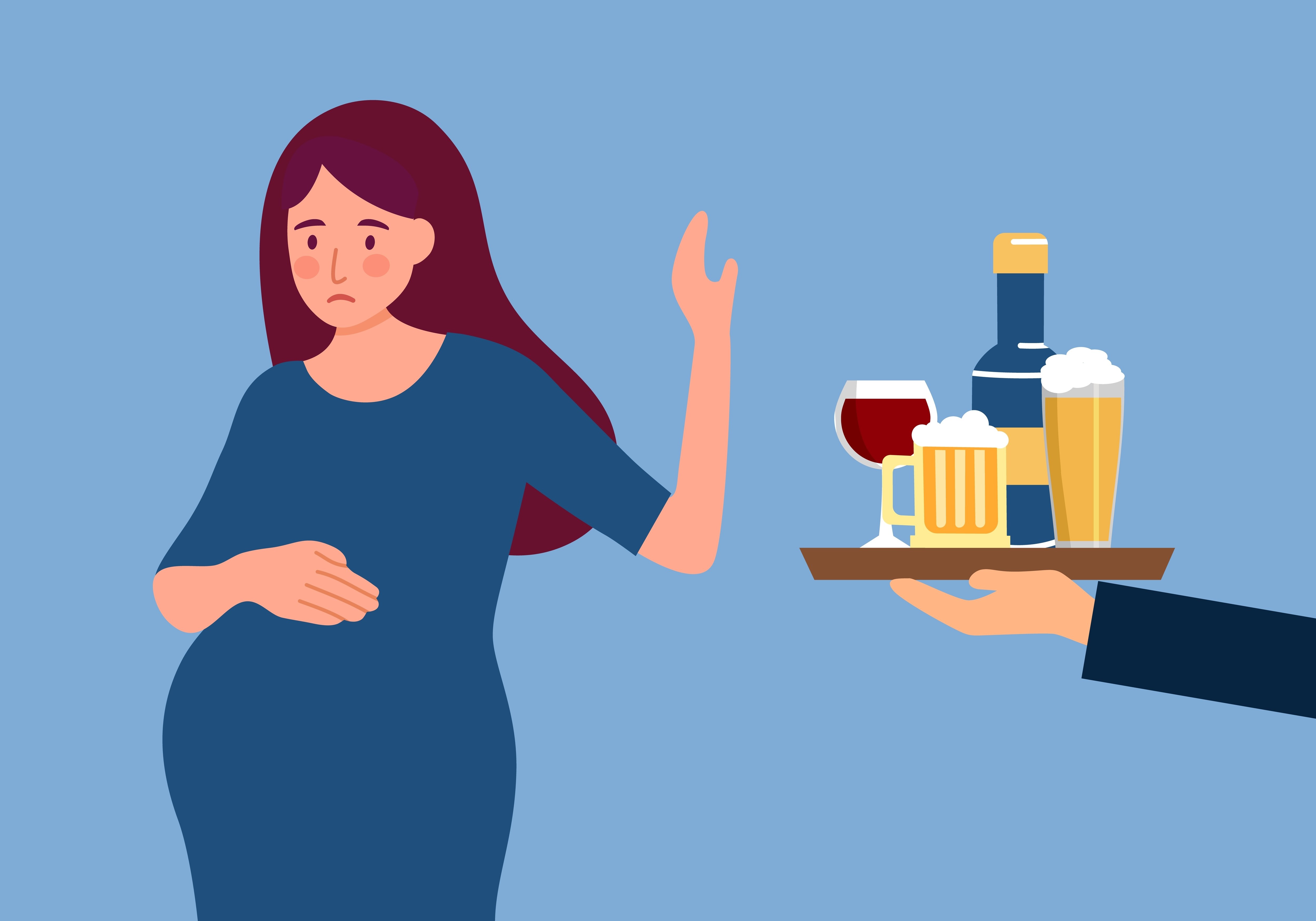
While an occasional glass of wine is unlikely to cause serious harm, alcohol consumption during pregnancy has been linked to behavior problems, learning disabilities, ADHD, hyperactivity, and aggression in children. The CDC's position is that no amount of alcohol is considered safe during pregnancy.
Don't overeat
The "eating for two" idea is a myth. You don't need double the food just because you're pregnant. Overeating during pregnancy can lead to hard-to-lose weight gain and raise your risk of preeclampsia, gestational diabetes, and delivering a larger-than-average baby.

Scroll Down
for the Next Article
Popular Now on Facty Health
Disclaimer
This site offers information designed for educational purposes only. You should not rely on any information on this site as a substitute for professional medical advice, diagnosis, treatment, or as a substitute for, professional counseling care, advice, diagnosis, or treatment. If you have any concerns or questions about your health, you should always consult with a physician or other healthcare professional.